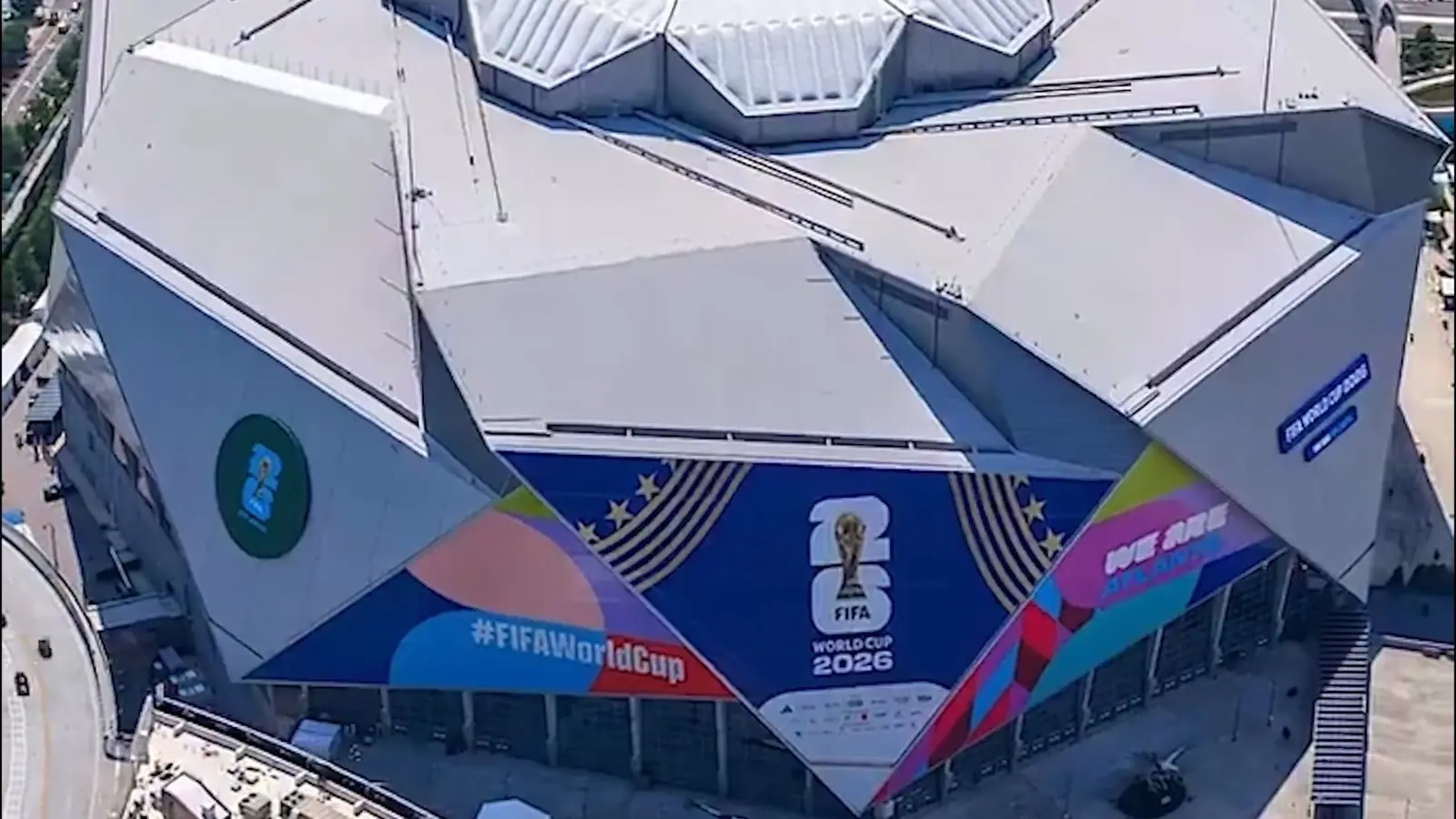

The Road to FIFA
and Beyond.
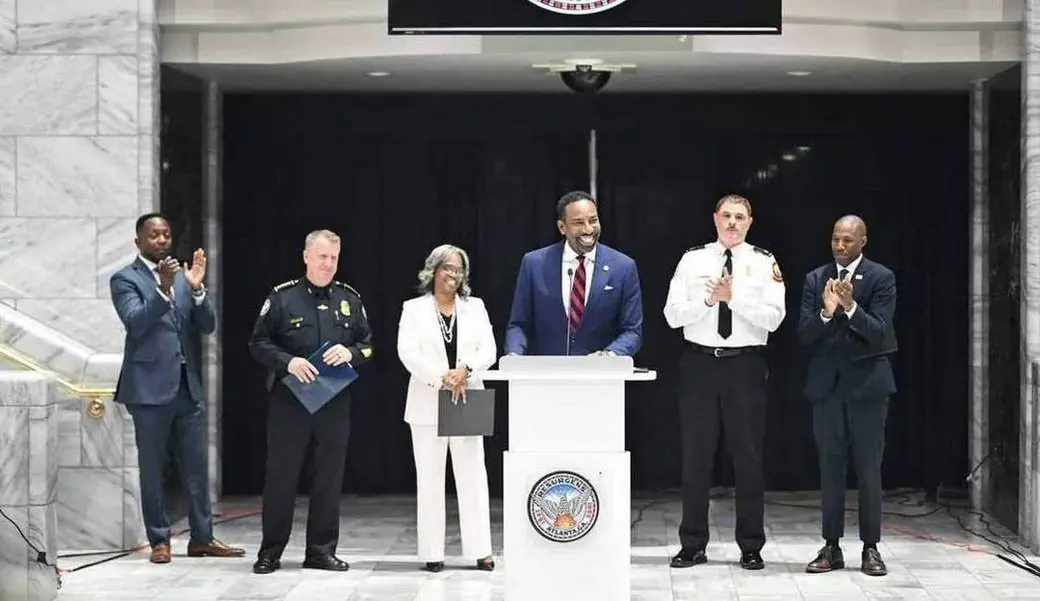
Under the leadership of Mayor Andre Dickens and Chief Operating Officer LaChandra Burks, City departments worked alongside regional, state, federal, community and private-sector partners to prepare for one of the largest global events Atlanta has hosted since the 1996 Olympic Games.
The goal was clear: deliver a safe, seamless and memorable World Cup while making investments that would continue serving Atlanta after the final whistle.
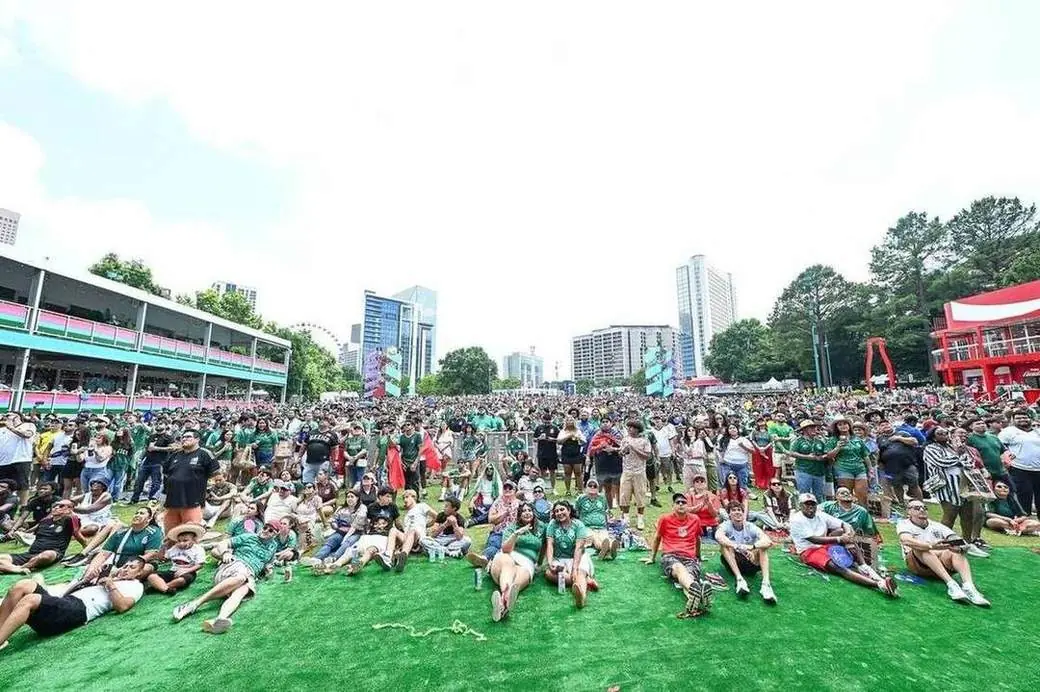
The World Came to Atlanta
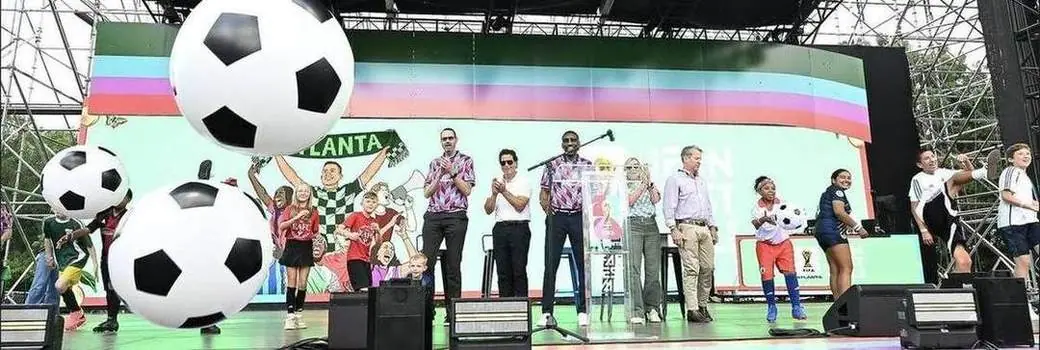
Traffic Held Steady
Volume jumped 24% in event areas, yet travel times rose only 3% — more than 37,000 pedestrians per game crossed Northside Drive, and crews supported 150+ official team and referee escorts.
Safe. Coordinated. Prepared.
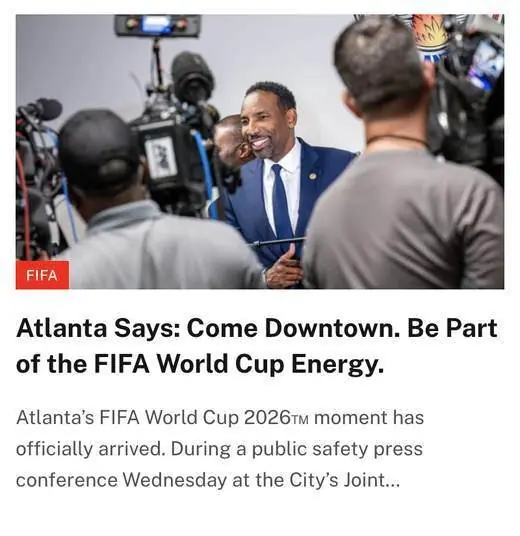
The Atlanta Police Department, Atlanta Fire Rescue Department, Mayor’s Office of Emergency Preparedness, E-911, Department of Corrections and partner agencies worked together to prepare for matches, fan events and increased activity across the city — all while maintaining day-to-day services for Atlanta residents.
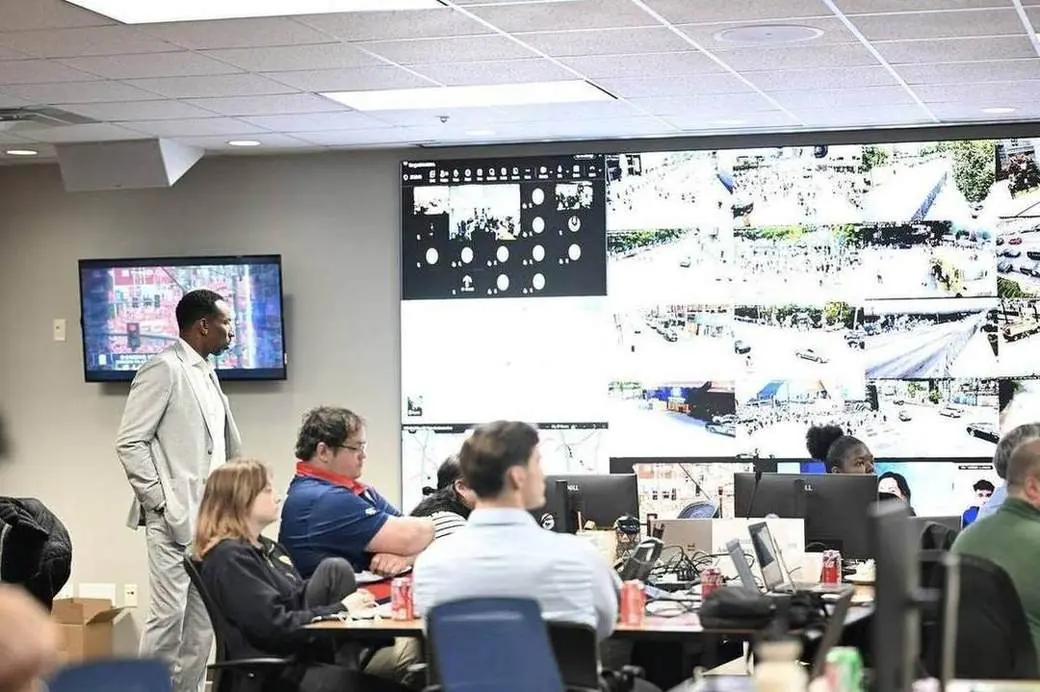
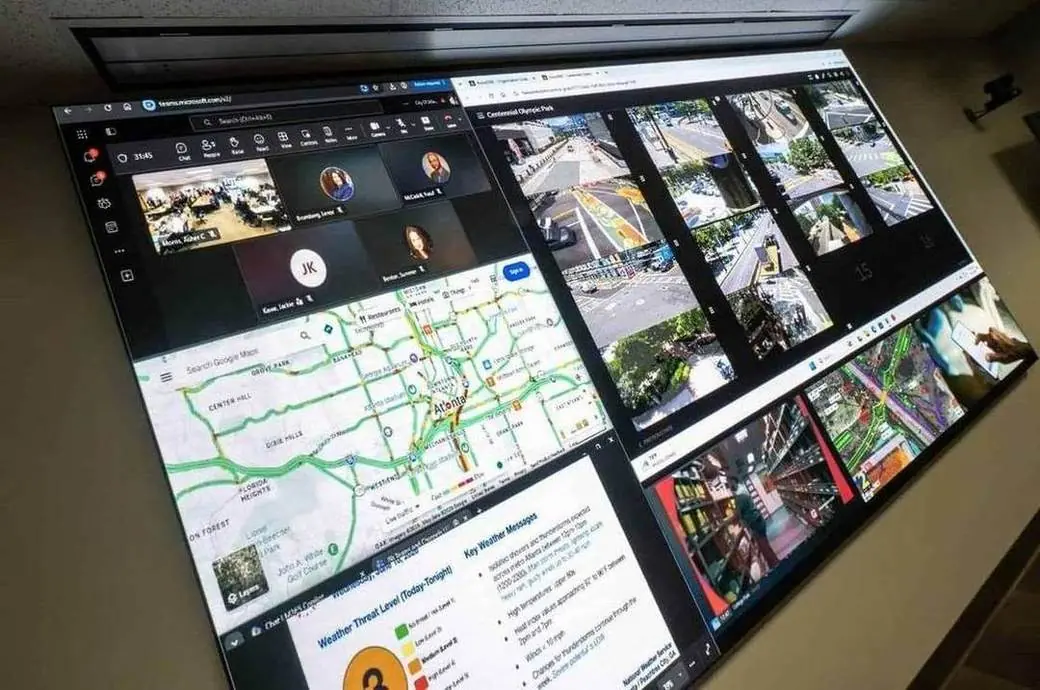
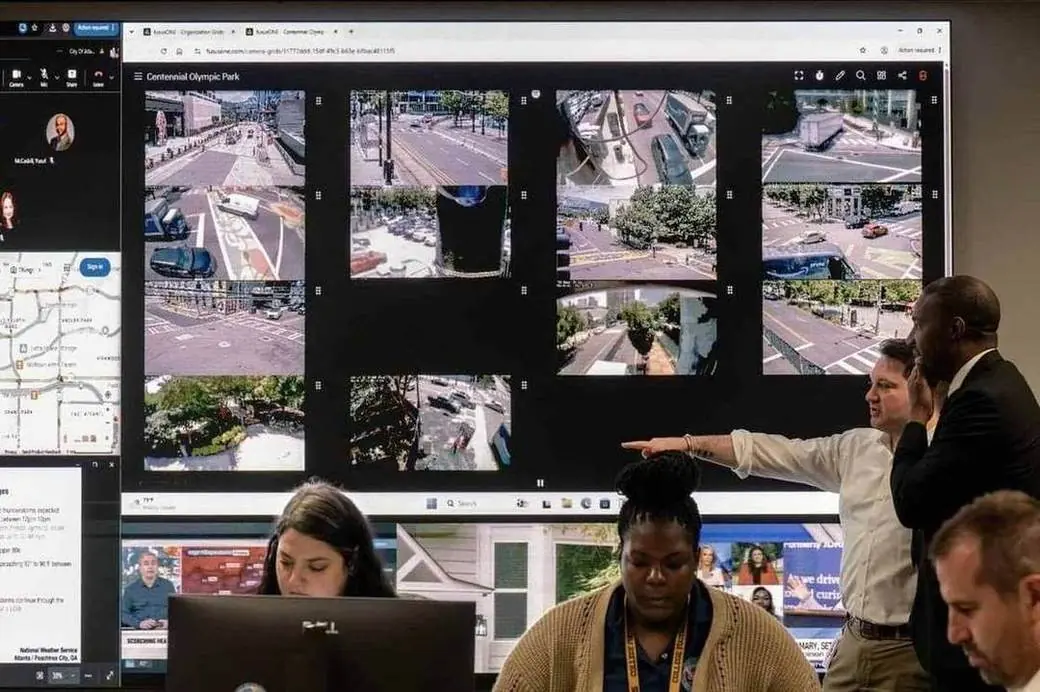
The City’s Joint Operations Center provided a central hub for real-time coordination across public safety, transportation, emergency management, healthcare, utilities and other operational partners. The Joint Operations Center coordinated 36 activations over 40 days, bringing together more than 50 organizations and integrating 11 additional operations centers.
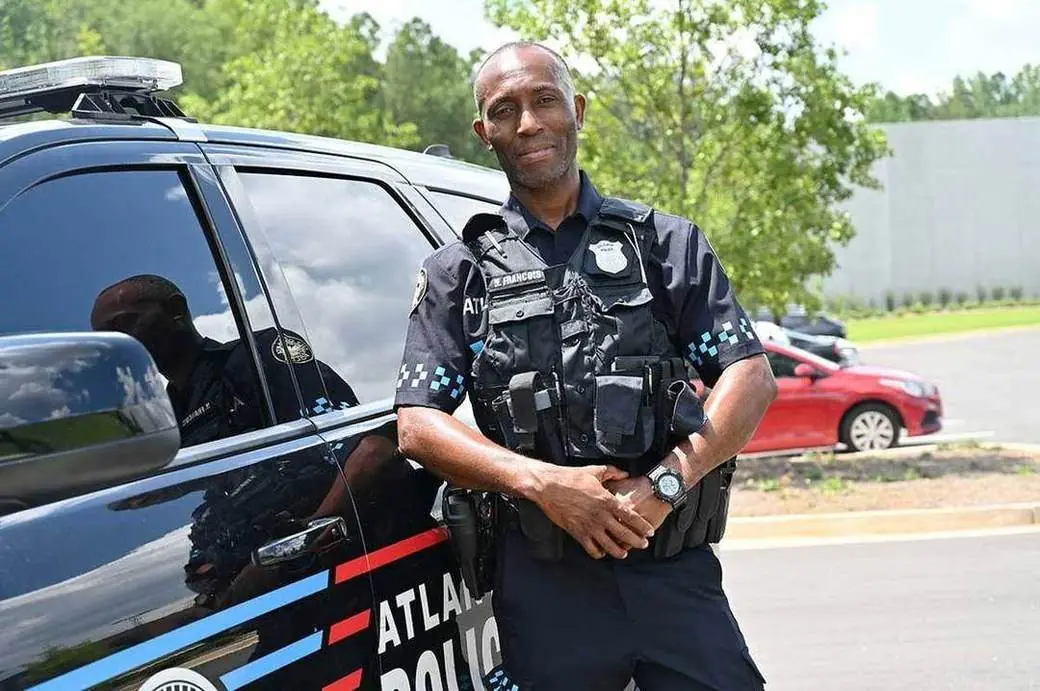
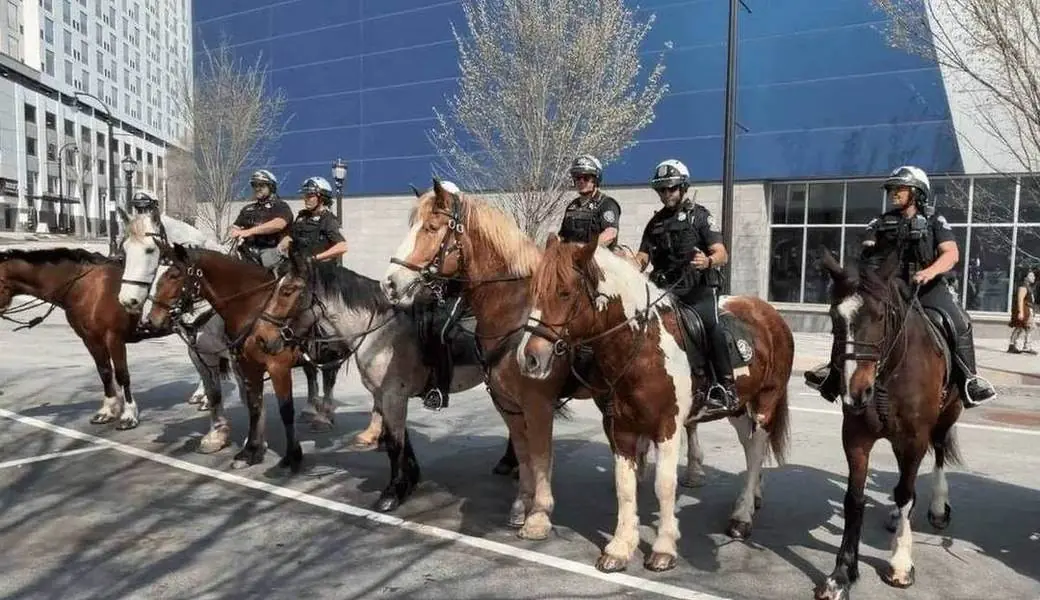
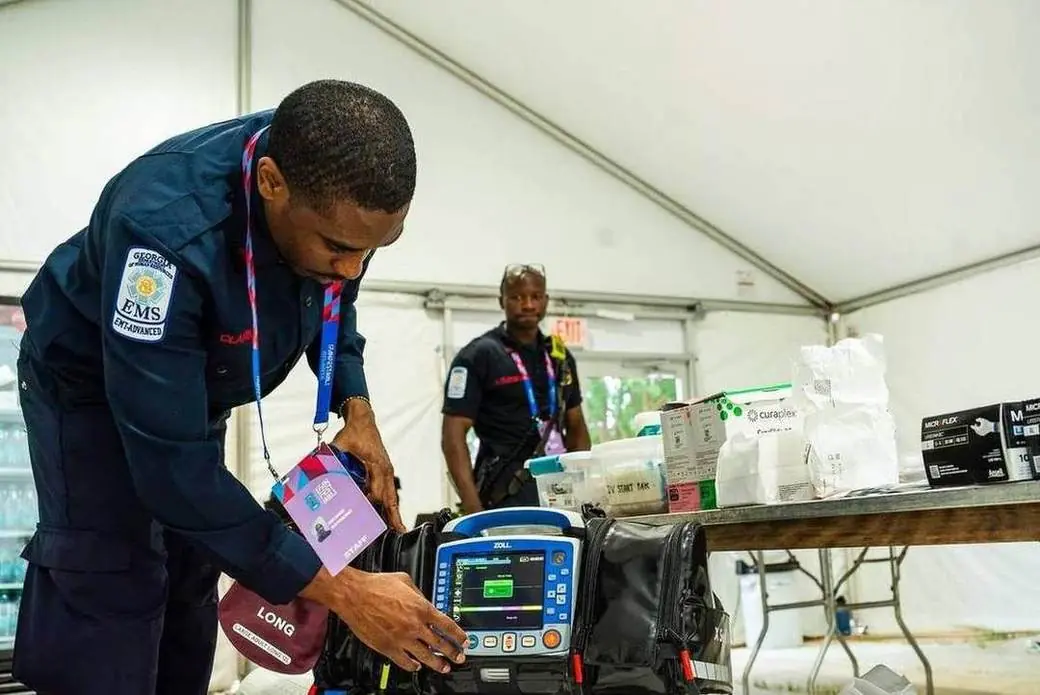
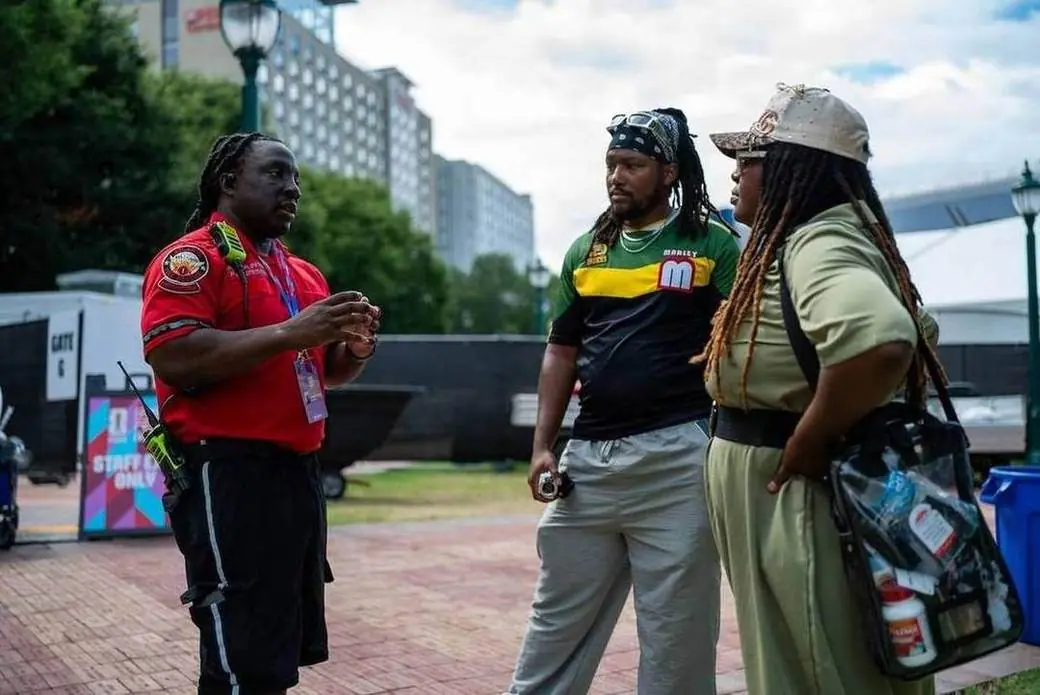
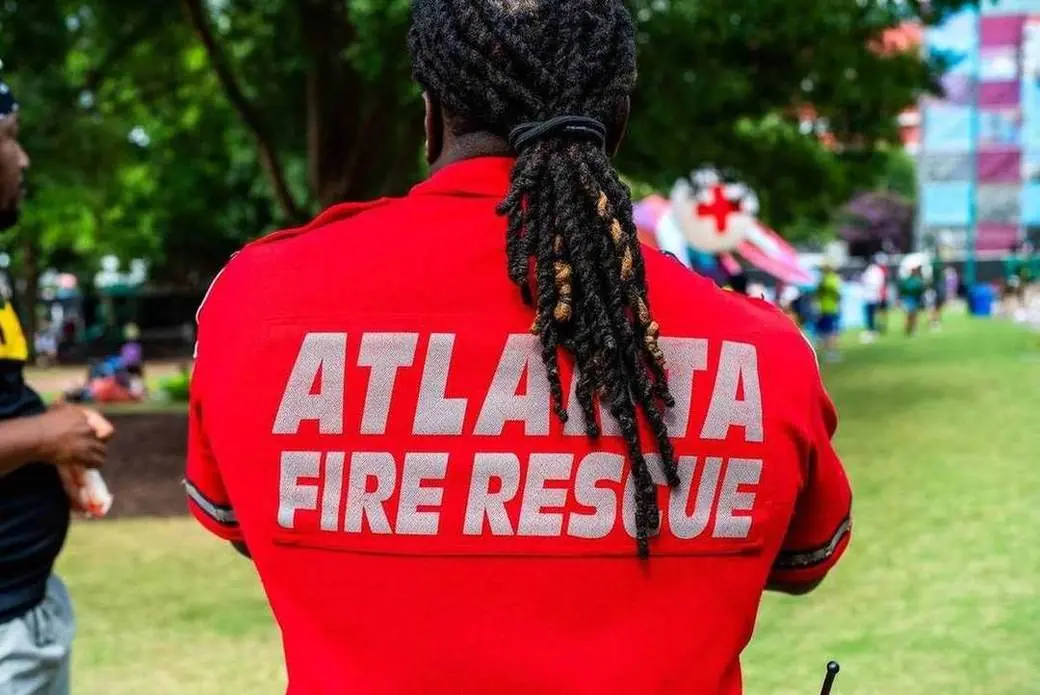
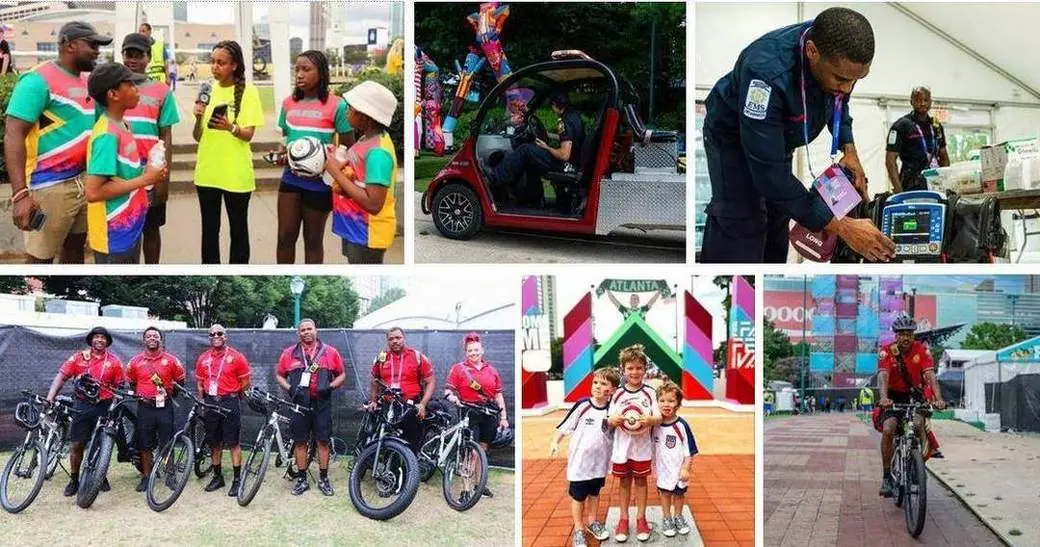
Atlanta launched a new Nightlife Ambassador program — a visible, non-law-enforcement presence in busy entertainment districts. A 12-person team worked nightly to de-escalate conflicts, provide safety escorts and connect late-night crowds with City resources.
PermanentFrom FIFA to full-time
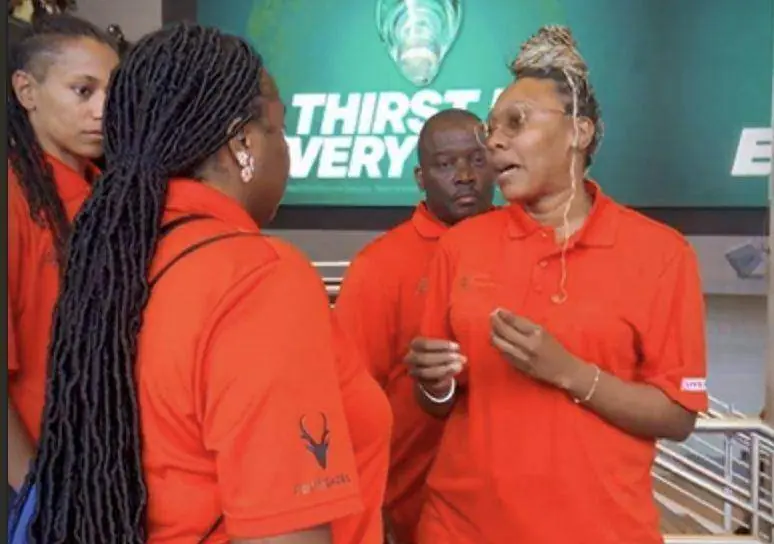
Six Weeks of Global Crowds
- Crowd management across high-density fan zones and massive international tourist volumes
- De-escalation — a visible, approachable presence to defuse minor disputes before police involvement was needed
- Navigation & aid — localized directions, safety walks and direct lines to City services
Permanent Nightlife Stewardship
- From pilot to permanent — shifting from temporary mega-event management to full-time urban nightlife care
- Corridor revitalization — active mediation and resource-sharing on recovering, fast-changing commercial strips
- Crime prevention — a proactive civilian footprint deterring low-level crime, noise complaints and late-night friction
One City. Millions of Trips.
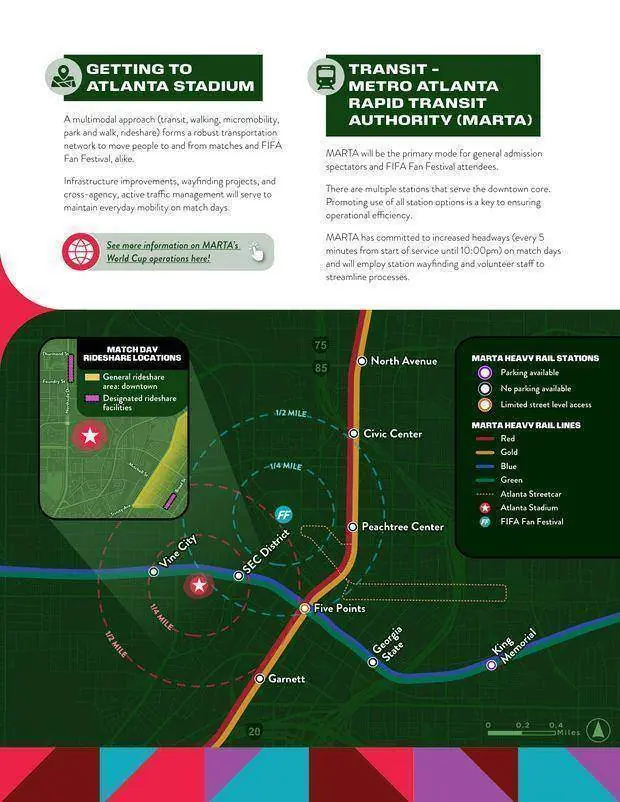
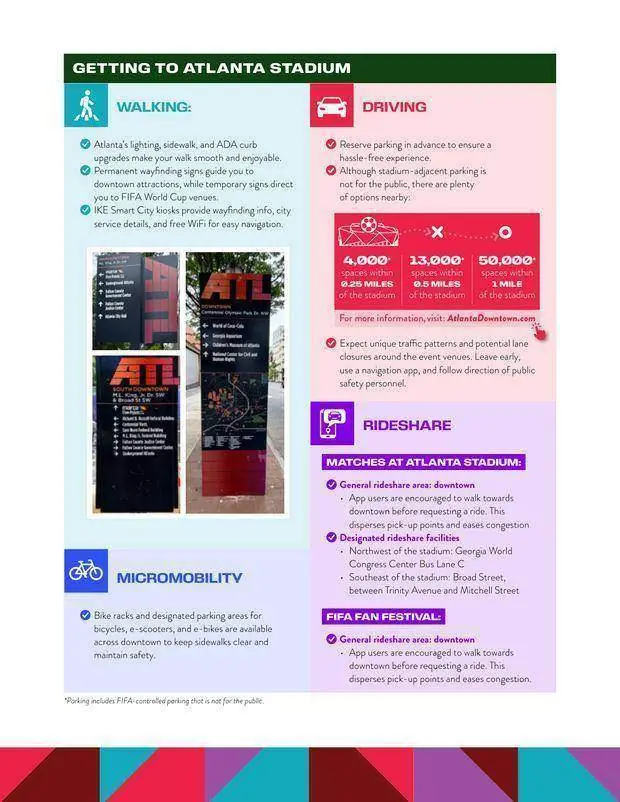
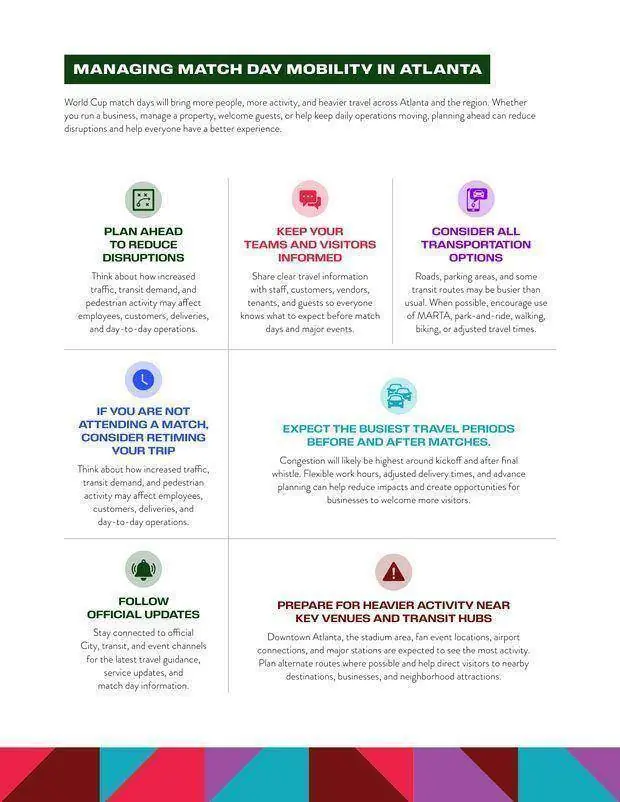
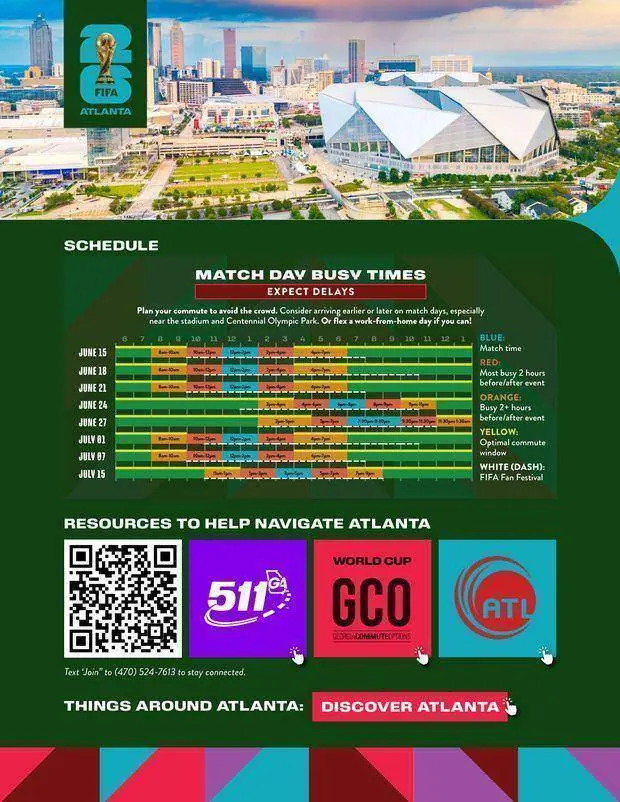
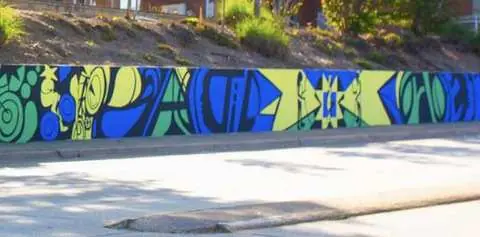
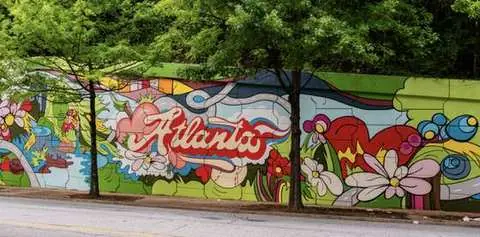
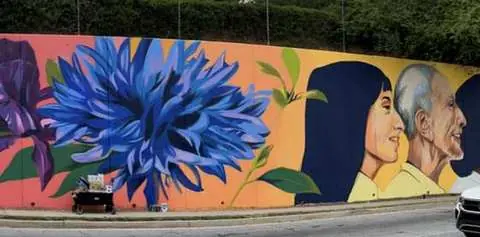
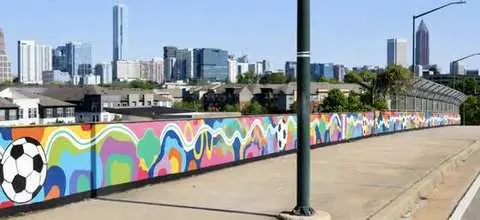
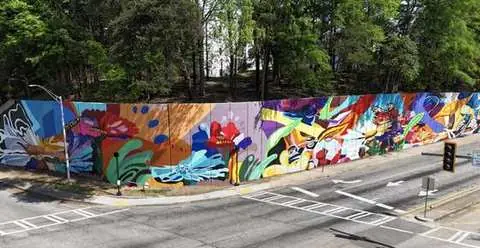
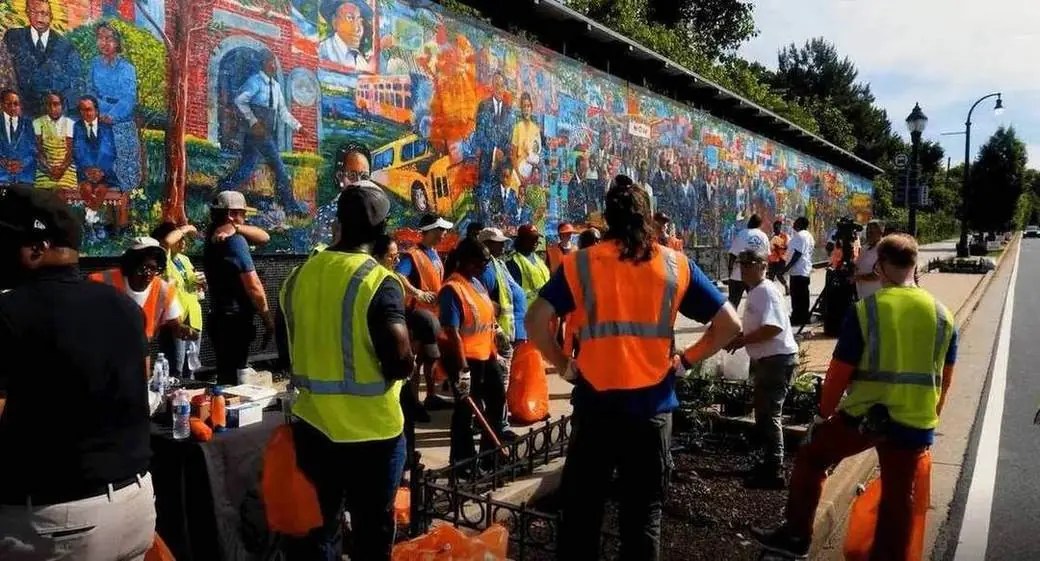
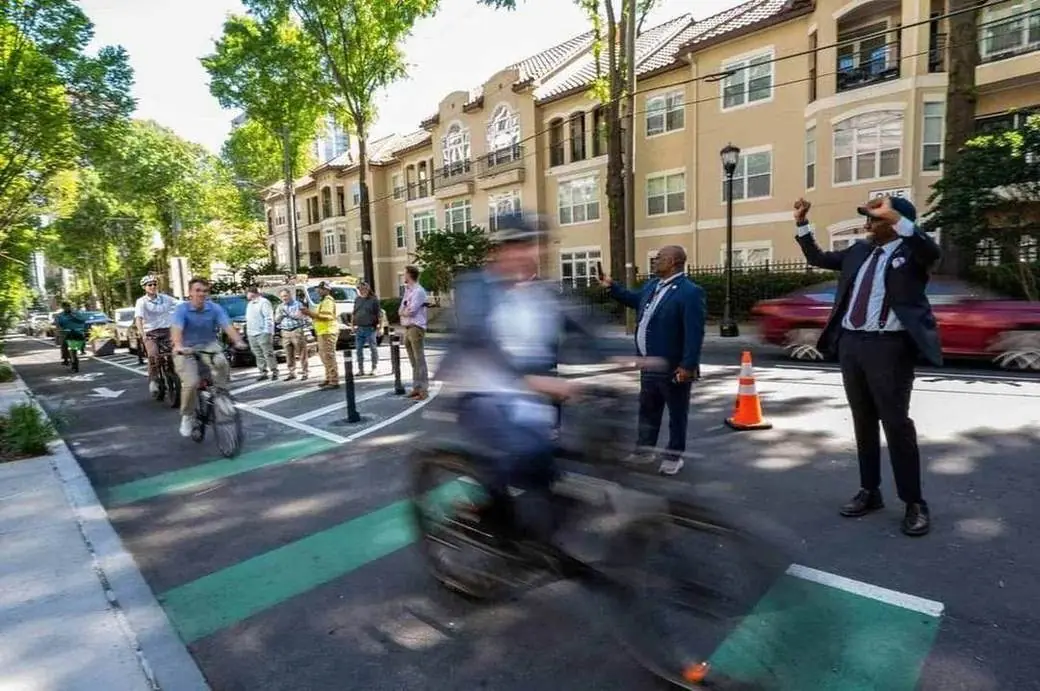
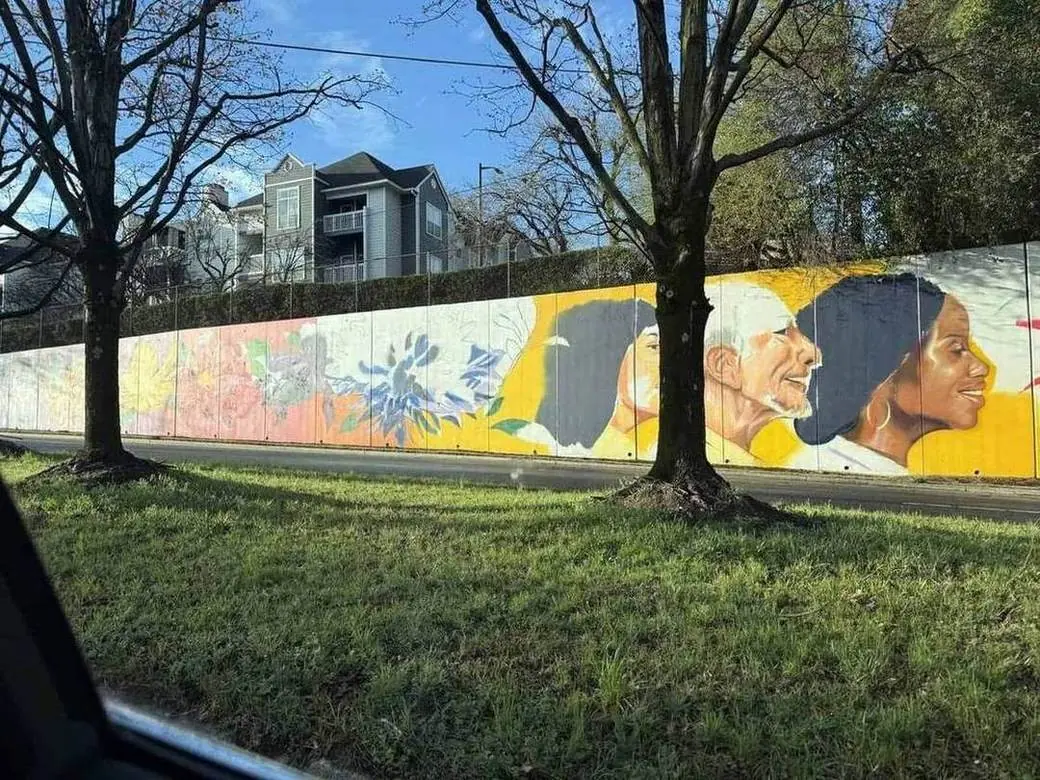
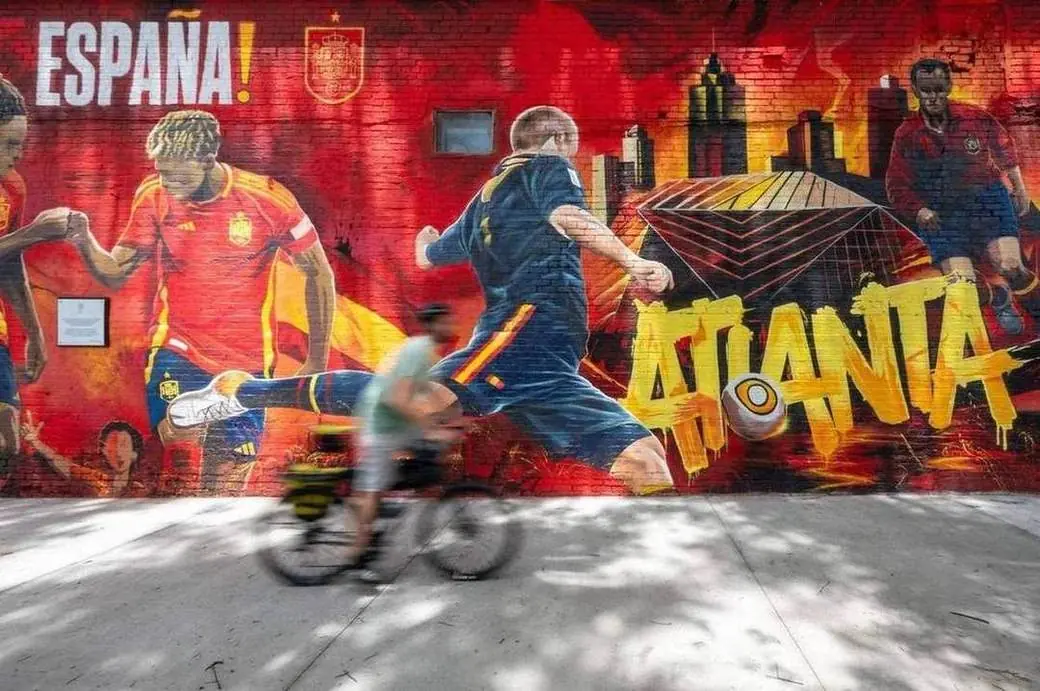
The Atlanta Department of Transportation worked alongside MARTA, the Georgia Department of Transportation, the Georgia World Congress Center Authority, Downtown Atlanta, Inc. and other partners to coordinate transit, traffic, pedestrian movement, rideshare, bicycling, scooters and visitor wayfinding. Navigate Atlanta provided a centralized resource for transportation information, while digital signage, QR-based resources and Traffic Control Center enhancements helped the City respond to changing conditions — coordinated from the City’s first Integrated Command Center, opened ahead of FIFA. Physical improvements included resurfacing and pedestrian upgrades along MLK Jr. Drive and more than 300 artist-painted concrete barriers along the 10th Street protected bicycle lane.
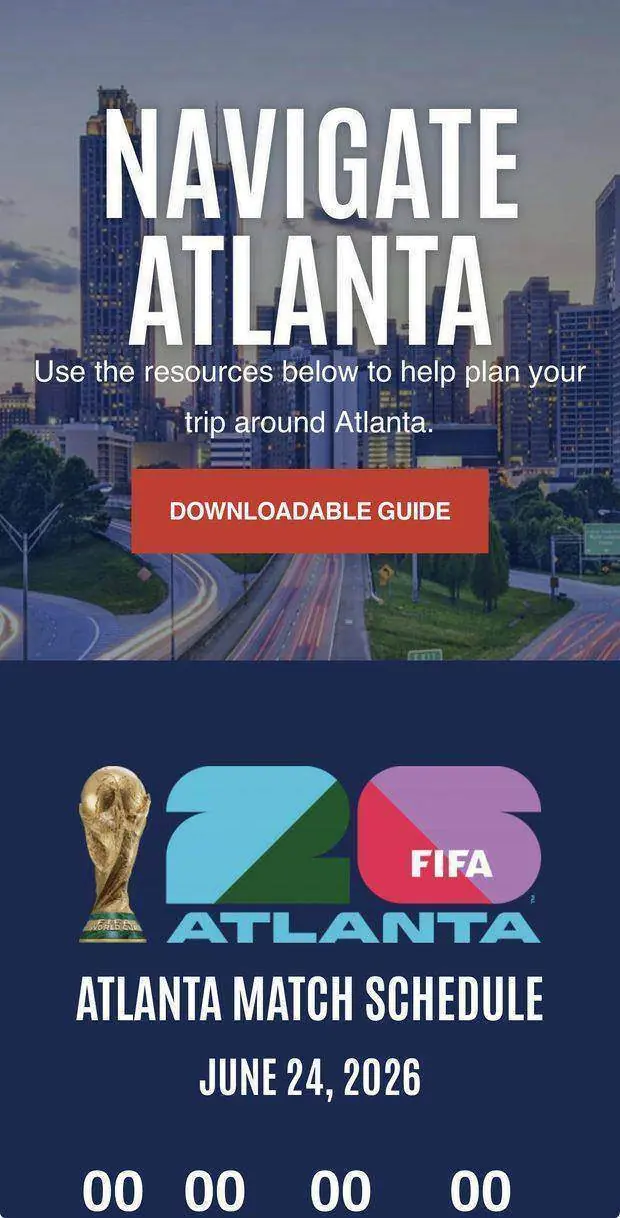
Your City. Your Route.
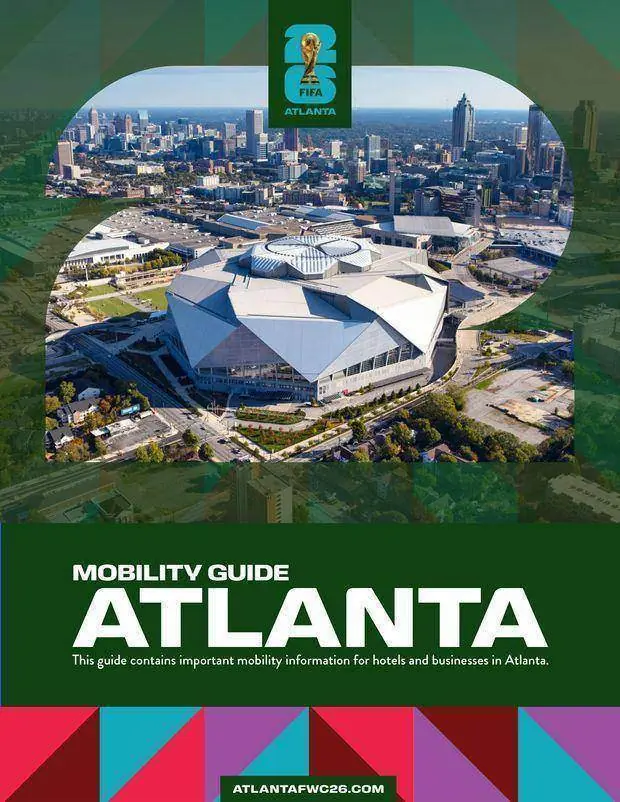
The Atlanta Department of Transportation launched Navigate Atlanta — the City’s official digital companion for getting around during the World Cup. One page put trip planning, real-time conditions and the downloadable Mobility Guide in every resident’s and visitor’s pocket.
Investments Made for FIFA. Benefits Built for Atlanta.
Connected Atlanta
Expanded free public Wi-Fi across Downtown and key City facilities — permanent digital infrastructure for residents, students, employees and future major events.
- 222 free public Wi-Fi access points (147 Centennial Olympic Park · 43 City Hall · 32 Atlanta University Center)
- 17,890 distinct Wi-Fi clients served during FIFA operations
- 143+ SMART City kiosks, including 30 installed ahead of FIFA
- ~$4.5M in SMART City revenue
The City on Call
ATL311 kept residents and visitors connected to City services throughout the tournament — answering questions, logging requests and routing issues quickly, even at peak call volume.
- 14,765 calls handled
- 94.48% service level (80/40 overall average)
- 08:32 avg. call-handle time · 00:11 avg. queue wait
- 436 FIFA-related ATL311 cases
Smarter Water Infrastructure
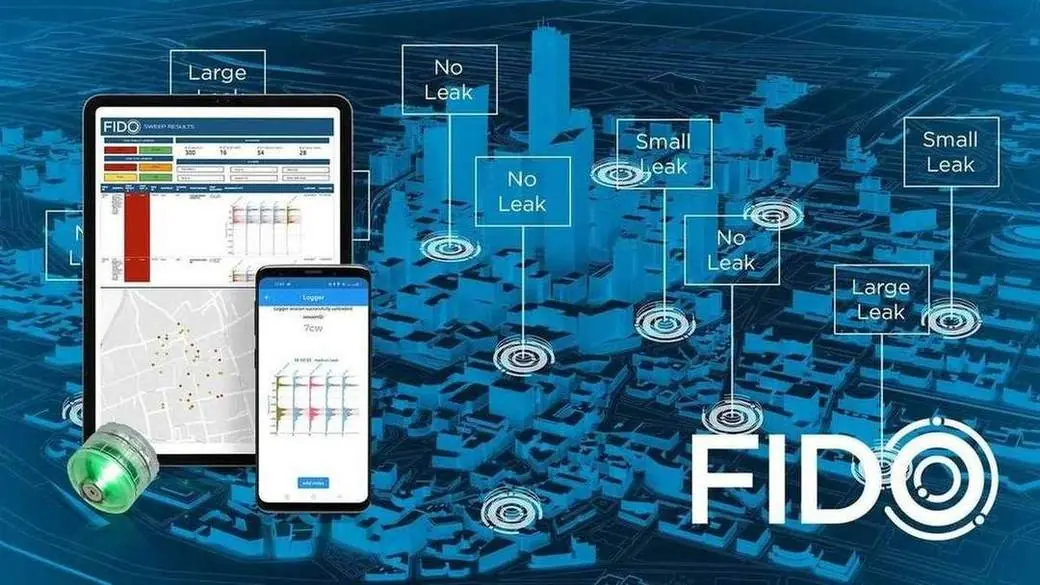
Used FIDO — AI and acoustic monitoring — to proactively identify underground issues. During FIFA, Watershed also staged four 20,000-gallon emergency tankers while 128 field members contributed 2,654 service hours and 207 employees supported seven Tier-1 activations.
- 176 acoustic sensors · 20 miles of mains monitored
- 35 previously undetected leaks identified
- 125M gallons/yr loss identified · 52,000 gal/day reduced
- 330 miles of critical infrastructure evaluated
Atlanta’s Front Door
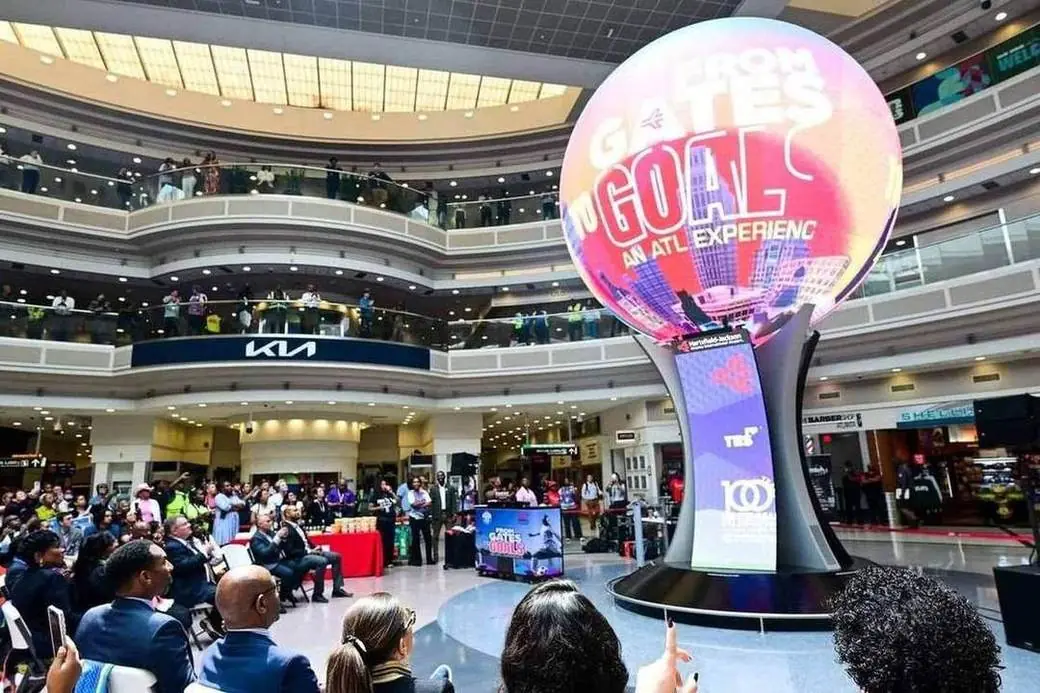
Prepared Atlanta’s primary international gateway for increased global travel, providing FIFA-related services to 100,000+ passengers — teams, referees, dignitaries, coaches and fans.
- 6.5M digital/media impressions · 10,000+ engaged in person
- 2,900 team & VIP passengers · 850 VIP visit-days
- 26 passenger-engagement activations
- South Red Deck — 6,500 spaces (1,000 EV) + 1,200 surface
- 5 new Concourse D gates + ATLAS Sphere · 17 plans · 50+ projects
Keeping Atlanta Ready
Maintained 24/7 cleaning and beautification operations across the FIFA footprint so every visitor corridor stayed welcoming for residents and visitors.
- 5,504 bags collected · 4,747 receptacles serviced
- 353,660 lbs combined mini-loader/sweeper tonnage
- 112.88 right-of-way miles serviced
- 24/7 litter abatement & corridor beautification
Welcoming Spaces
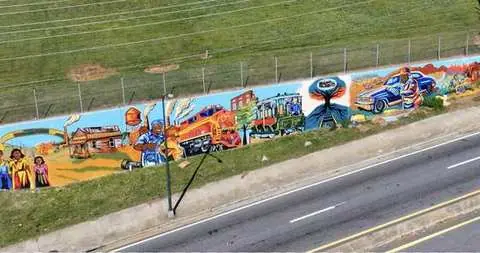
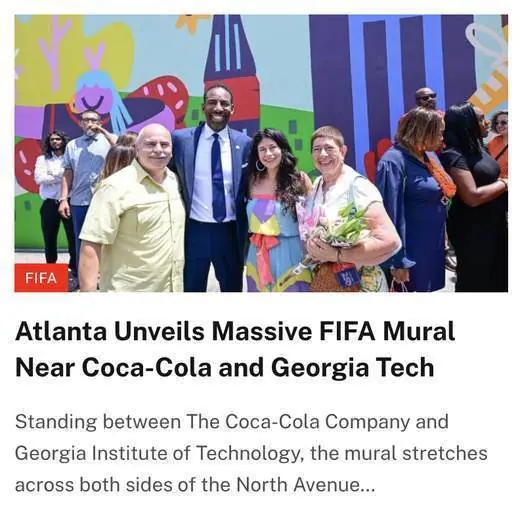
Streetscape, signage and public-space improvements — advanced with Cultural Affairs and ATLDOT — made Downtown more walkable and welcoming across major visitor corridors.
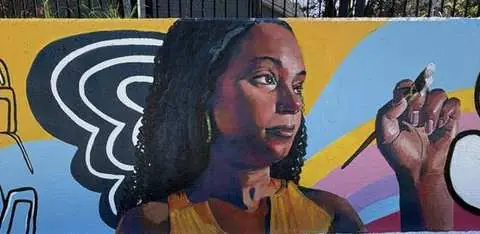
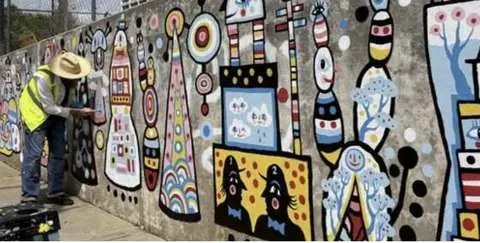
- 16 local artists commissioned
- 9 artistic crosswalks · 11 utility-box artworks
- Streetscape & signage upgrades citywide
A More Connected Public Realm
FIFA accelerated improvements to the places where residents and visitors experience Atlanta.
- 1.9 miles of BeltLine Southside Trail (Segments 2 & 3) opened
- Completed “The U” — longest uninterrupted BeltLine trail to date
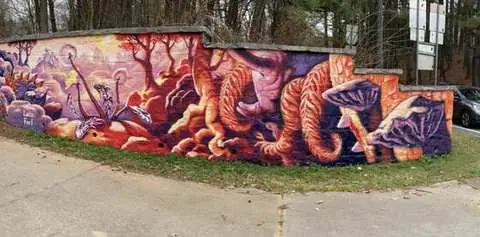
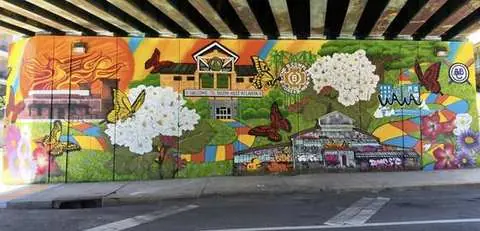
- 11 permanent Bridges, Tunnels & Walls art installations citywide
The Experience Went Beyond the Stadium.
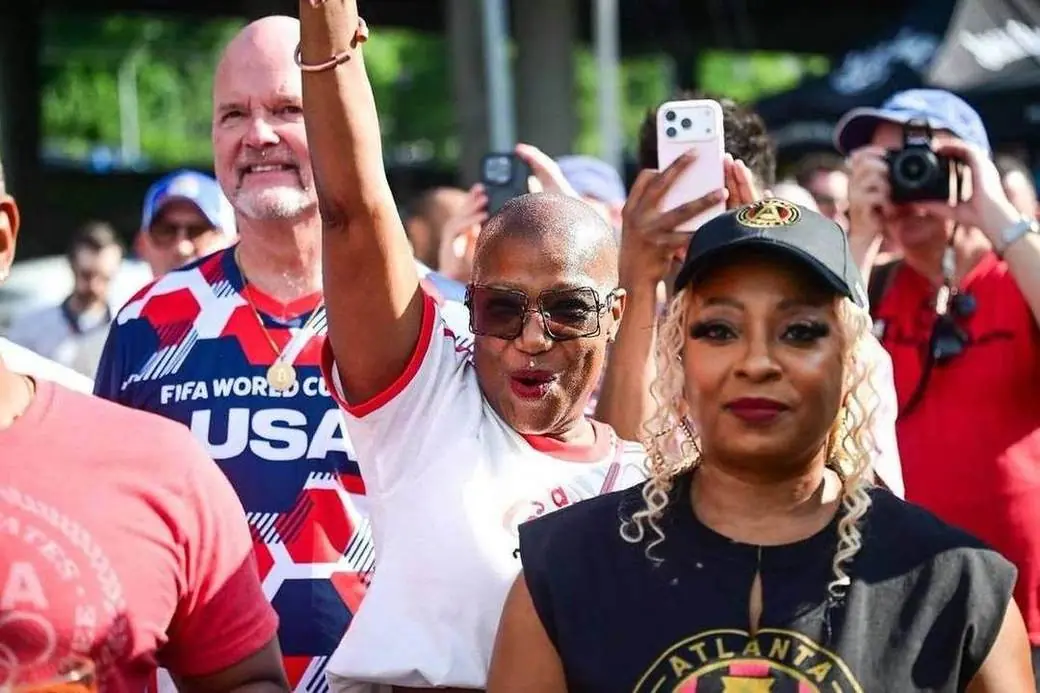
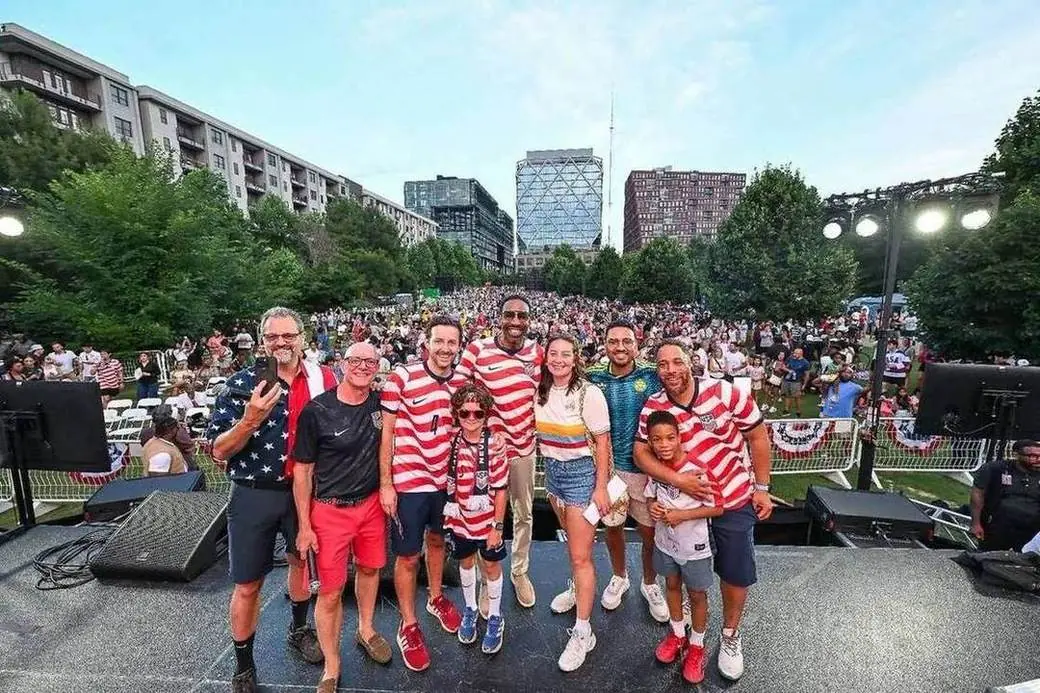
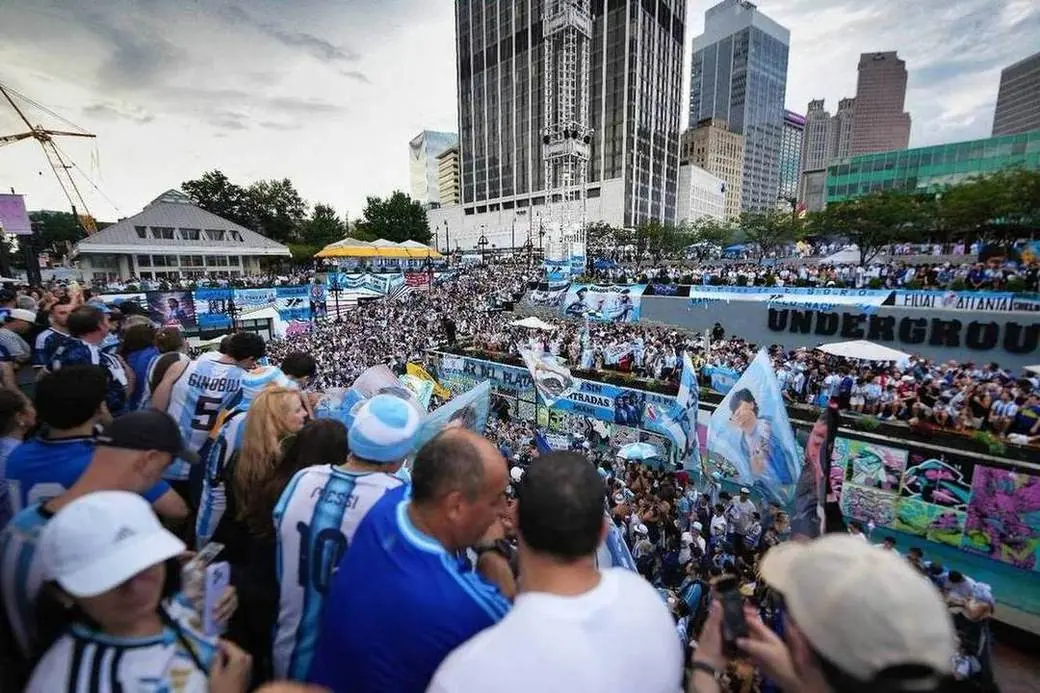
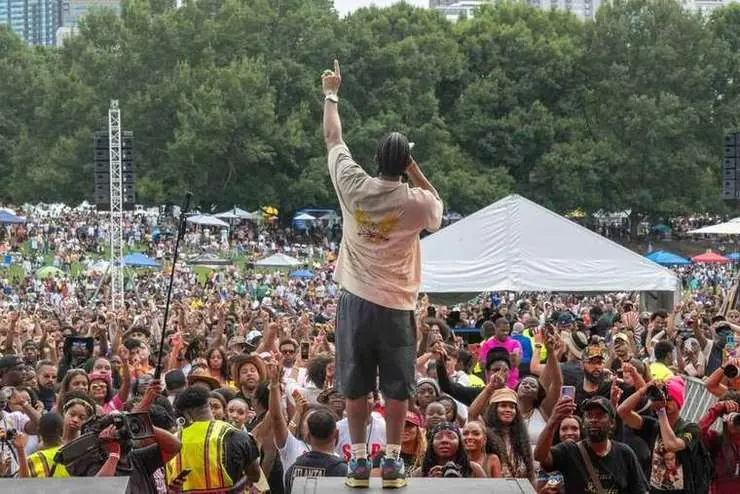
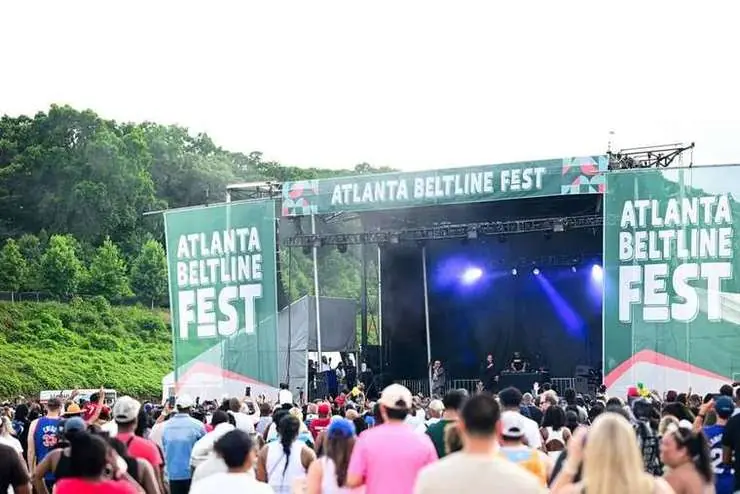
Five neighborhood watch parties gave residents places to experience matches together, while the Department of Parks & Recreation built and distributed 40 community soccer goals. ATL SoccerFest brought youth soccer, adaptive sports and family programming to Mozley Park, and BeltLine Fest combined soccer with music, food and community programming.
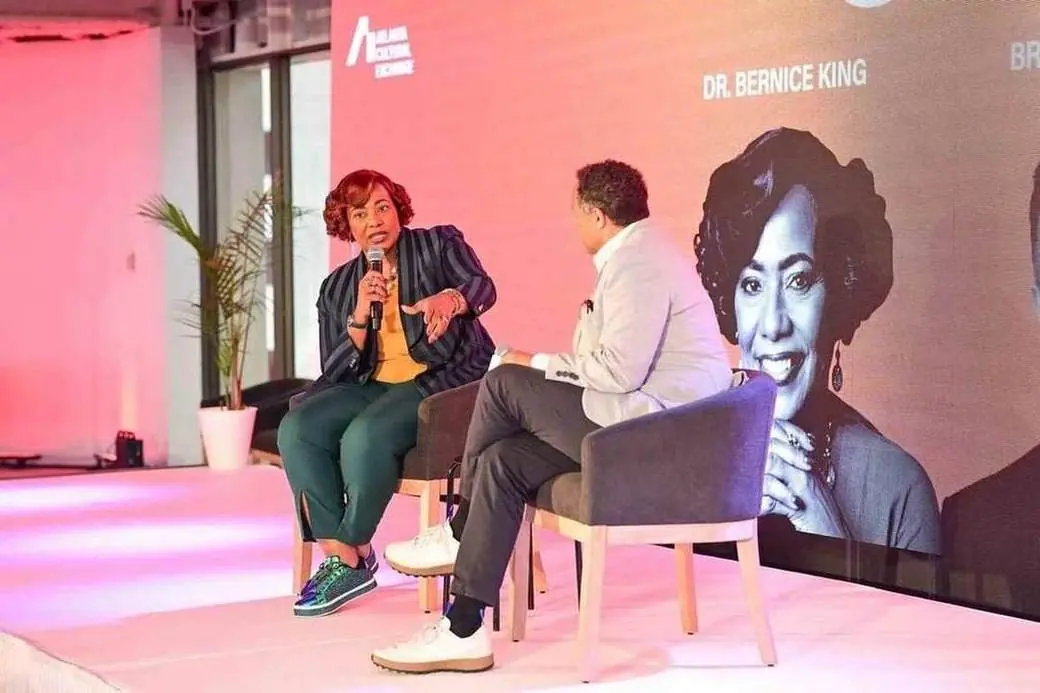
Across eight event days, the Atlanta Cultural Exchange at The CTR (formerly the CNN Center) brought together artists, musicians, filmmakers, entrepreneurs, designers and cultural leaders for free programming spanning art, music, fashion, film, technology, entrepreneurship and global culture. Pride House ATL created a welcoming hub for LGBTQ+ residents, visitors and allies, and the Mayor’s Office of International and Immigrant Affairs trained more than 400 City employees through the Global Ambassador Program.
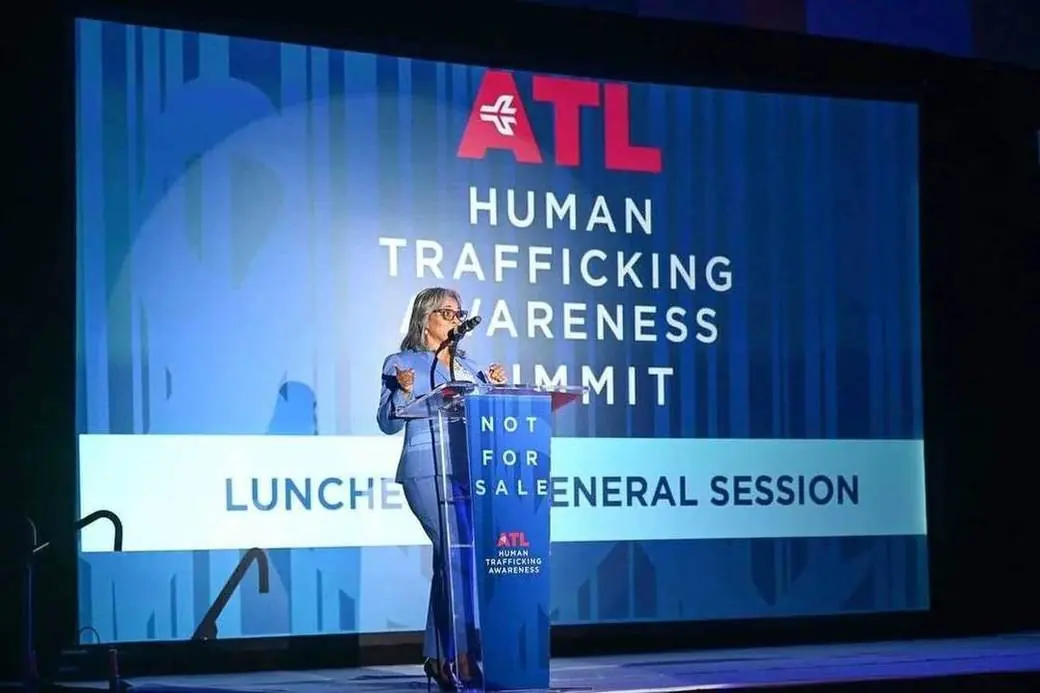
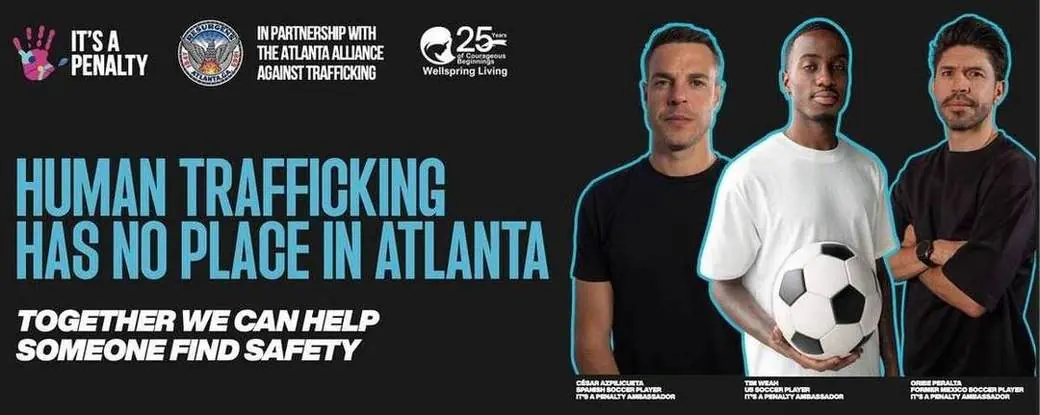
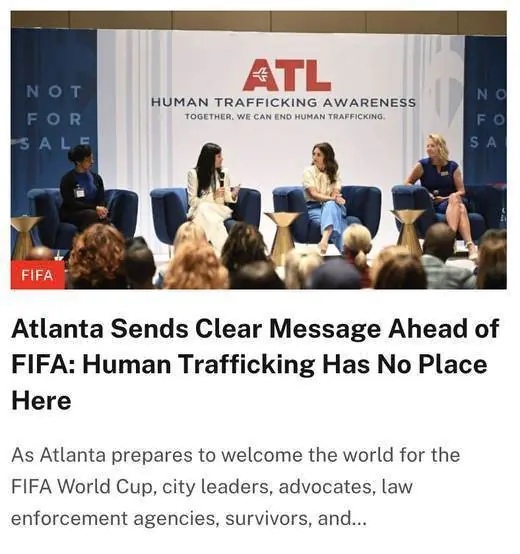
Atlanta was one of only four host cities to publish a FIFA Human Rights Action Plan — putting accessibility, inclusion, youth opportunity, anti-human trafficking and community participation at the center of tournament preparations, through initiatives including Pride House Atlanta, ATL SoccerFest and expanded human-rights reporting resources. The Mayor’s Office of Violence Reduction partnered with It’s a Penalty, UPS, and community organizations, training 9,000+ people (including 7,438 City employees) in anti-human-trafficking awareness and assembling 10,000 dignity kits for survivors.
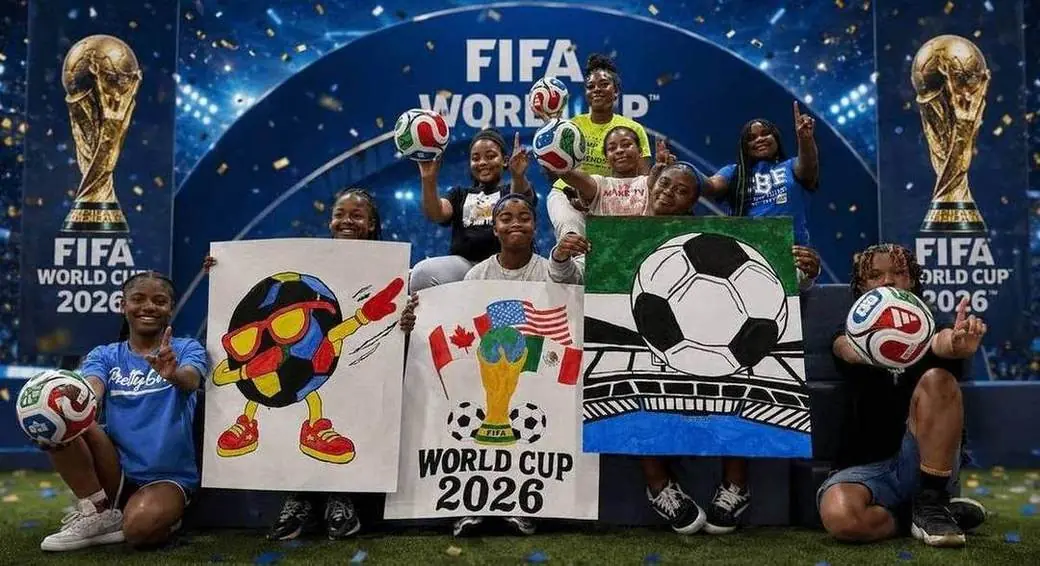
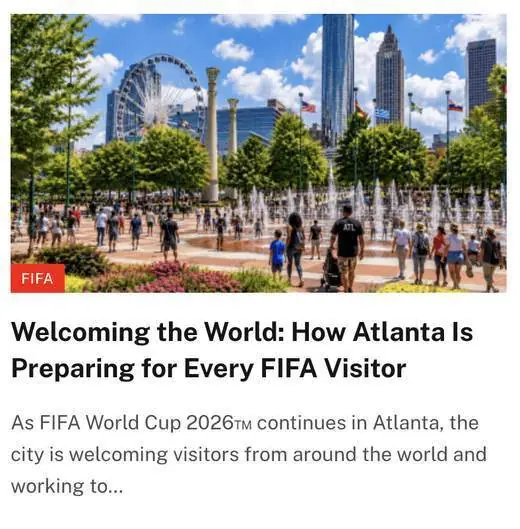
Welcoming the World
The Mayor’s Office of International & Immigrant Affairs made Atlanta a welcoming host for delegations and visitors from around the globe.
- 35 international delegations welcomed
- 19 countries represented
- 400+ City employees trained as Global Ambassadors
- 100+ trained in language access via iSpeakATL
Rights & Dignity
Atlanta paired the tournament with concrete commitments to safety, inclusion and economic access for residents.
- 1,000+ people trained to prevent human trafficking
- 1,900+ small businesses referred for major-event opportunities
- 109.4K anti-discrimination campaign engagements
- 300+ Pride House ATL visitors
Play for All
Parks & Recreation turned a global tournament into lasting play and public amenities in Atlanta neighborhoods.
- 40 community soccer goals built & distributed
- 3,000 soccer balls distributed
- ~15K uses of 10 smart restrooms in the first month
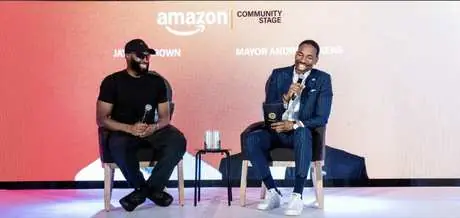

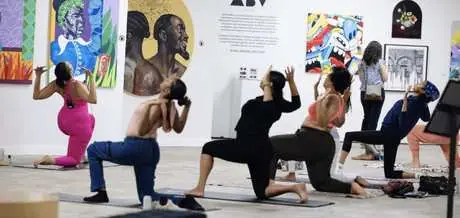
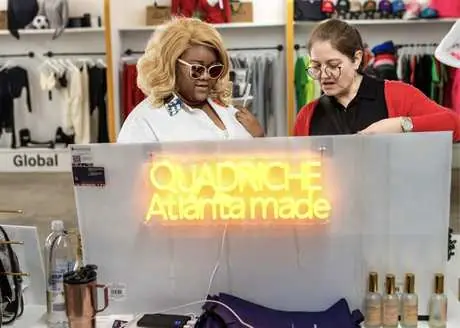


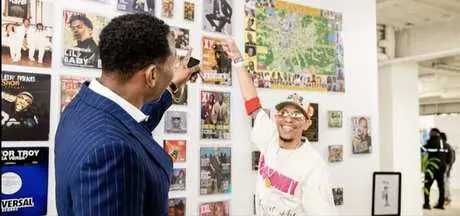
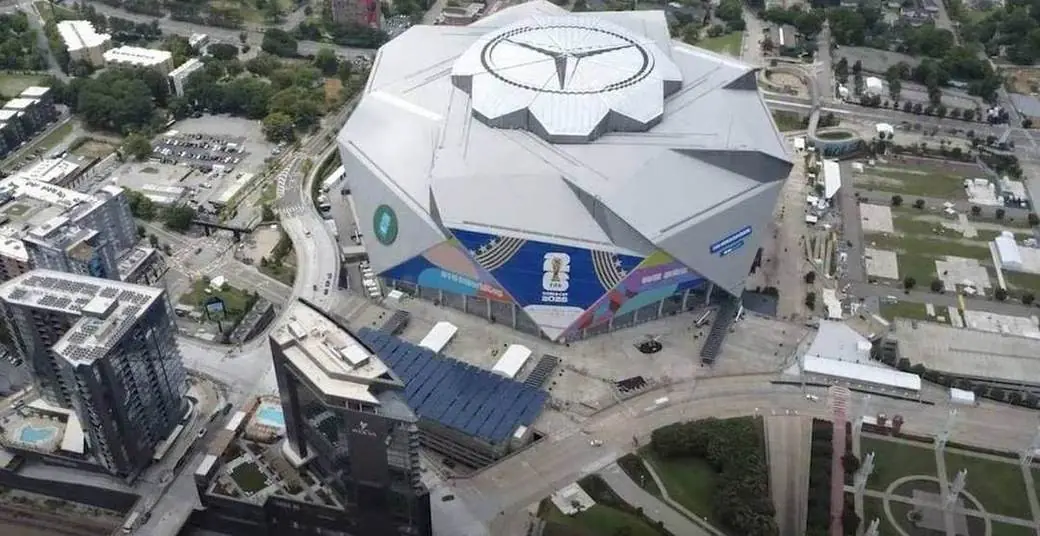
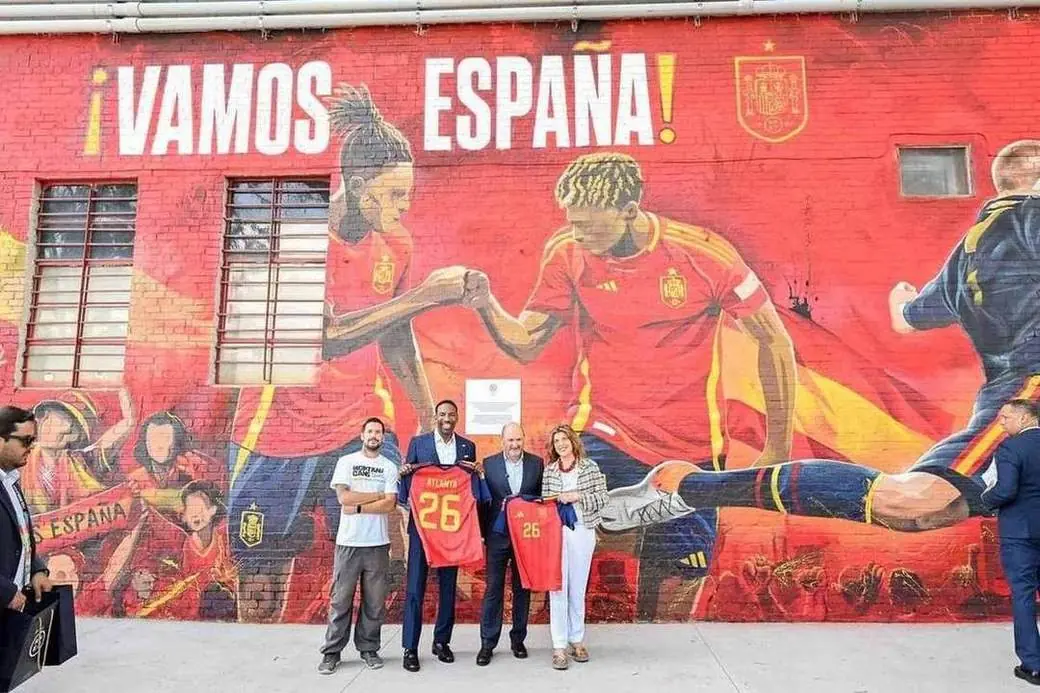
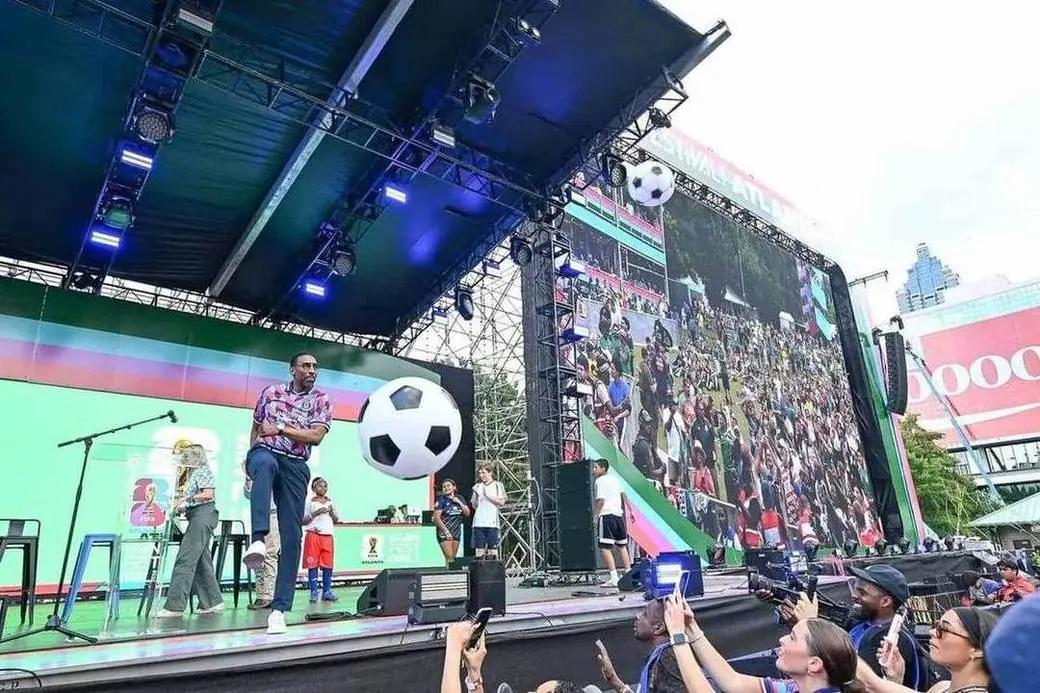
The World Cup, In Frame.
Built for the World. Better for the Planet.
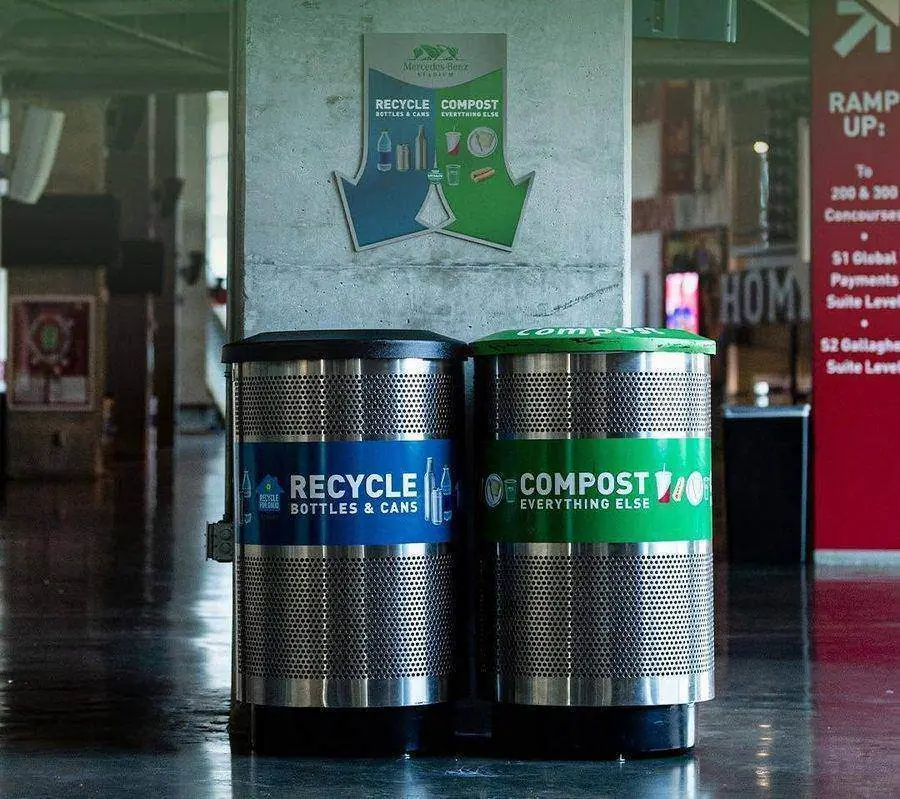

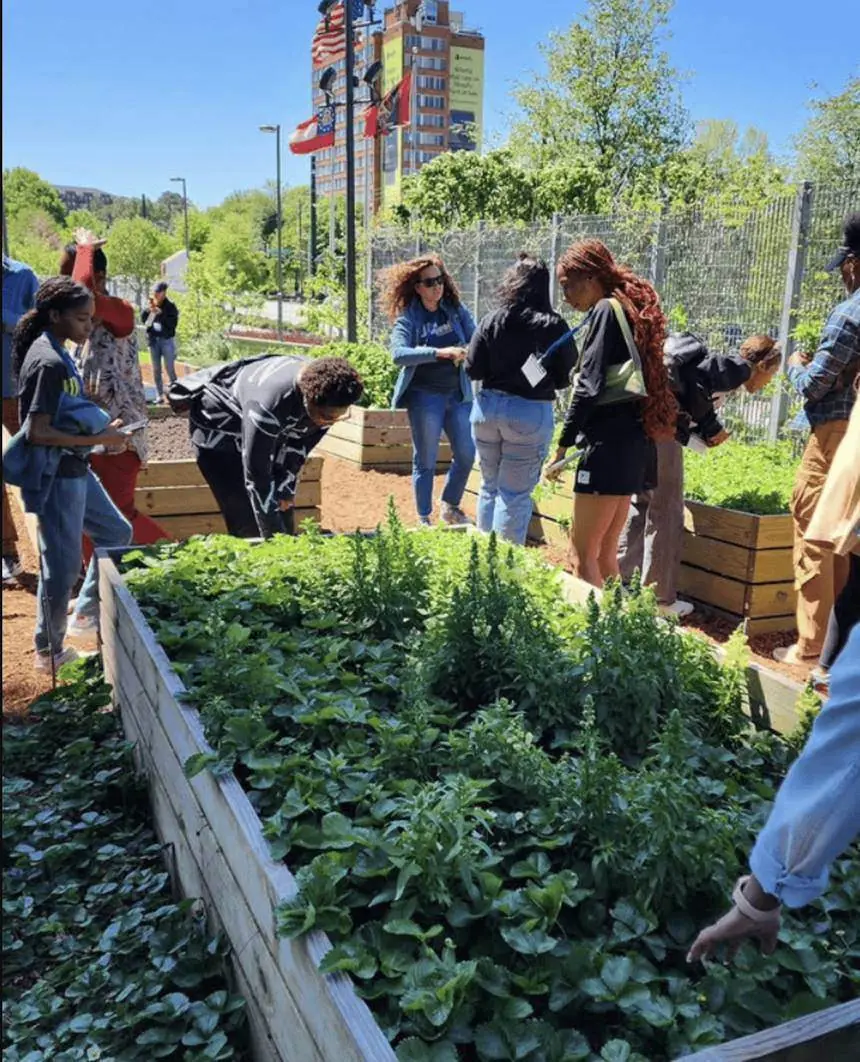
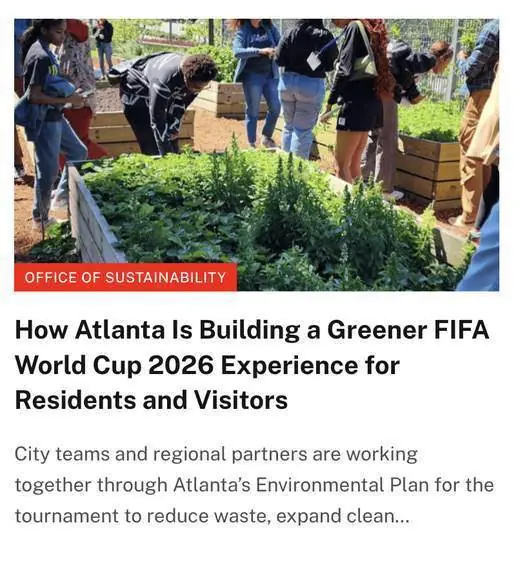
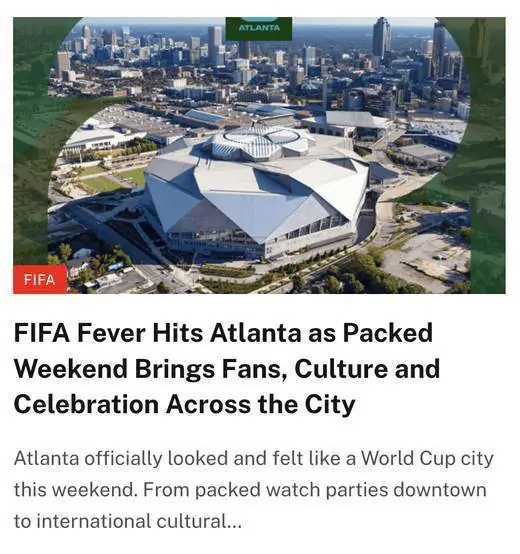
Atlanta’s Environmental Plan brought together the City, Mercedes-Benz Stadium, MARTA, Hartsfield-Jackson Atlanta International Airport and the Georgia World Congress Center to integrate sustainability into tournament operations and Atlanta’s long-term legacy.
Using a Global Moment to Invest Locally.
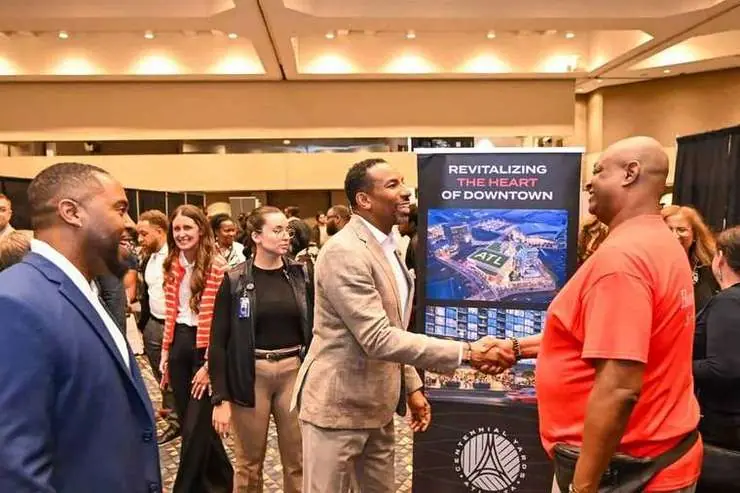
Invest Atlanta — through Journey to the World Cup, business-readiness financing, grants, technical assistance and vendor support — helped local businesses prepare for increased activity and build capacity for future opportunities. Legacy businesses were promoted through IKE Smart City advertising, and Sweet Auburn Municipal Market vendors received targeted grants and support.
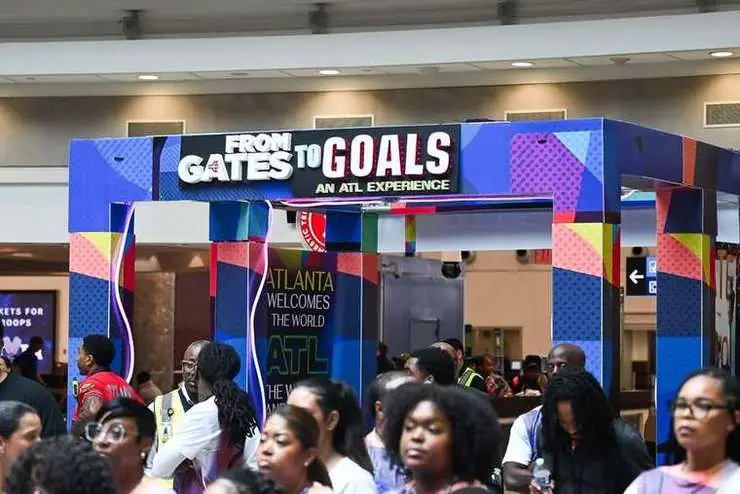
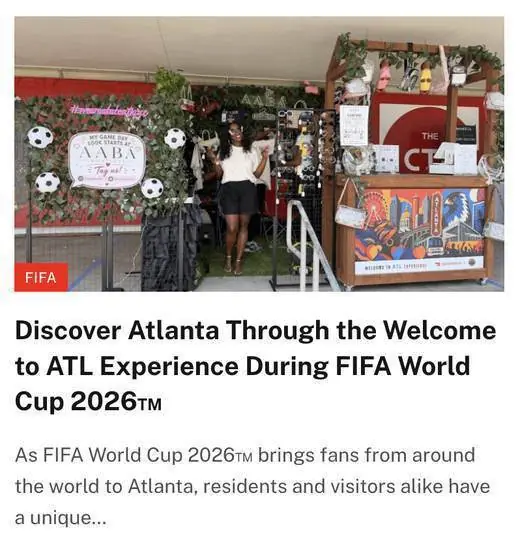
Showcase Atlanta created new connections among businesses, workers, employers and major-event opportunities — with 90+ businesses featured through the Welcome to ATL Experience and an online vendor directory. Global Grub Alley served Atlanta’s food scene across 16 days with 20–30 trucks daily.
One Story, Told to the World.
The Mayor’s Office of Communications coordinated enterprise messaging, executive communications, media relations, digital content, photography, video and departmental Public Information Officers throughout FIFA planning and operations. A Virtual Joint Information Center synchronized public safety, transportation, media and executive communications, while the FIFA Employee Hub gave City employees a central source for operational information.
ATL.Direct — the City of Atlanta’s official digital news hub — became the editorial home for Atlanta’s Road to FIFA story, published in four languages. The photography, video and storytelling produced throughout FIFA created a permanent record of one of the most significant global events in Atlanta’s history.

The Final Whistle Wasn’t the Finish Line.
To welcome the world, Atlanta paired a $120M municipal transportation bond with major private investment — modernizing streets, transit, public spaces and downtown districts. When the final whistle blew, those upgrades stayed.
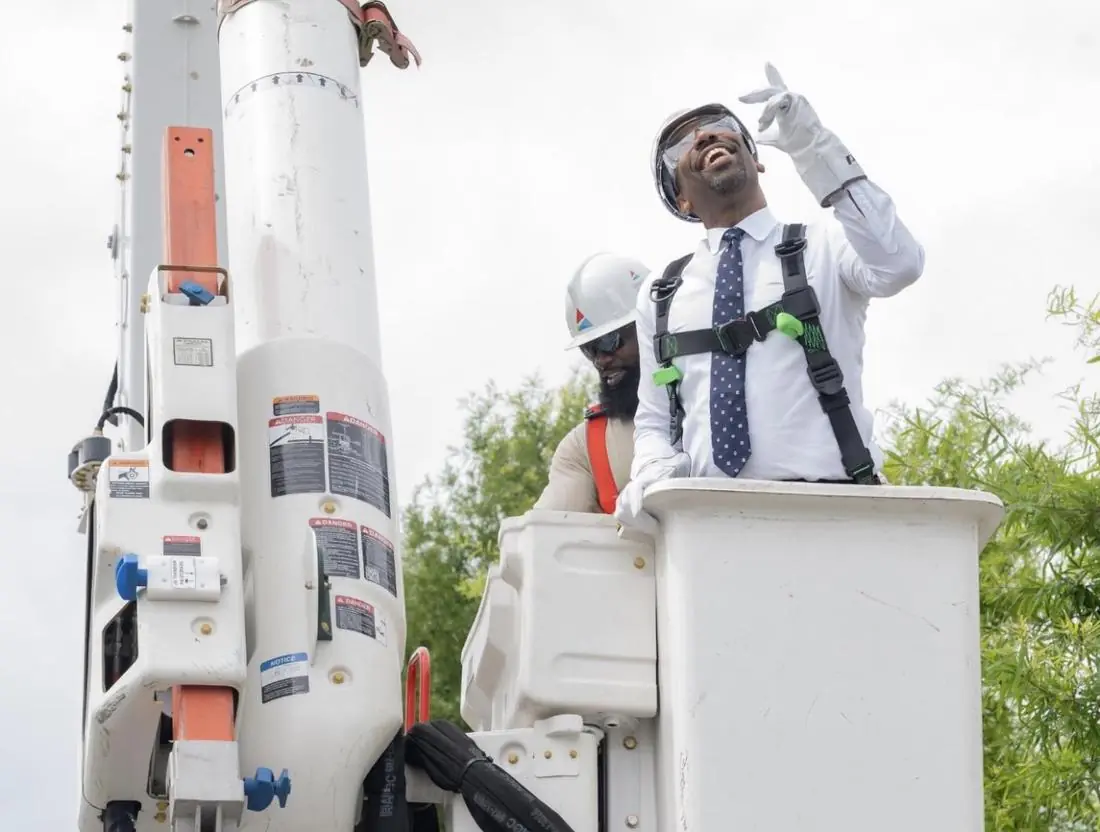
- 25 miles of streets resurfaced, 200 intersections restriped and sidewalks repaired across high-traffic corridors
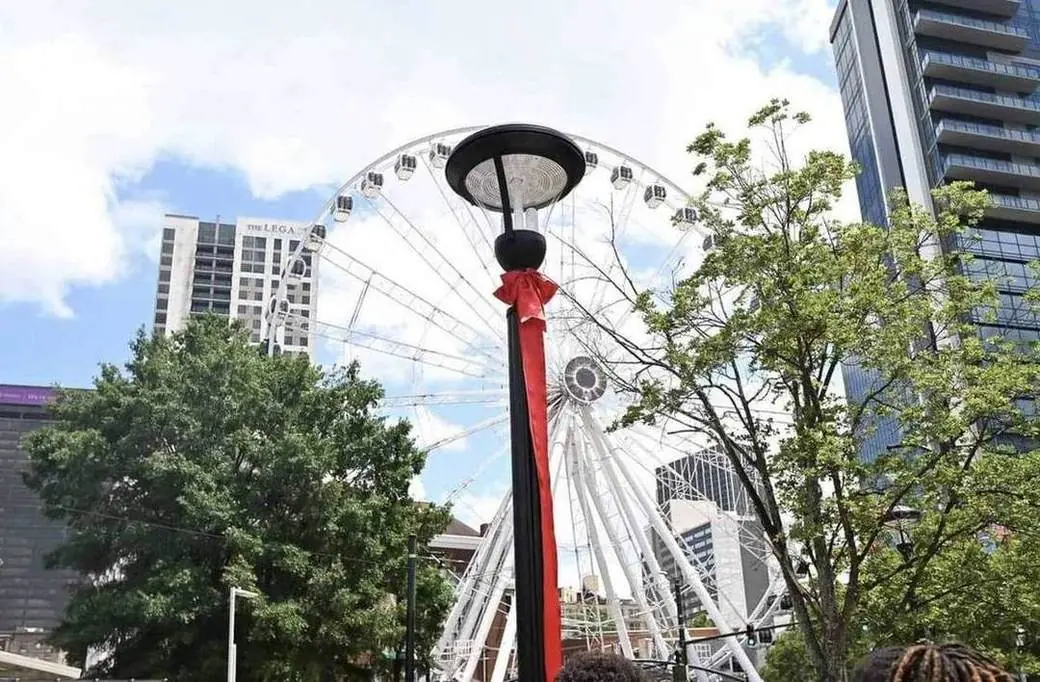
- 150 new streetlights lighting the way downtown
- ATLANTAFREE — permanent free public Wi-Fi across Centennial Olympic Park, City Hall and the Atlanta University Center
- Underground Atlanta & Upper Alabama Street — a multi-million-dollar refresh with new landscaping, seating, public-art murals and community gathering space
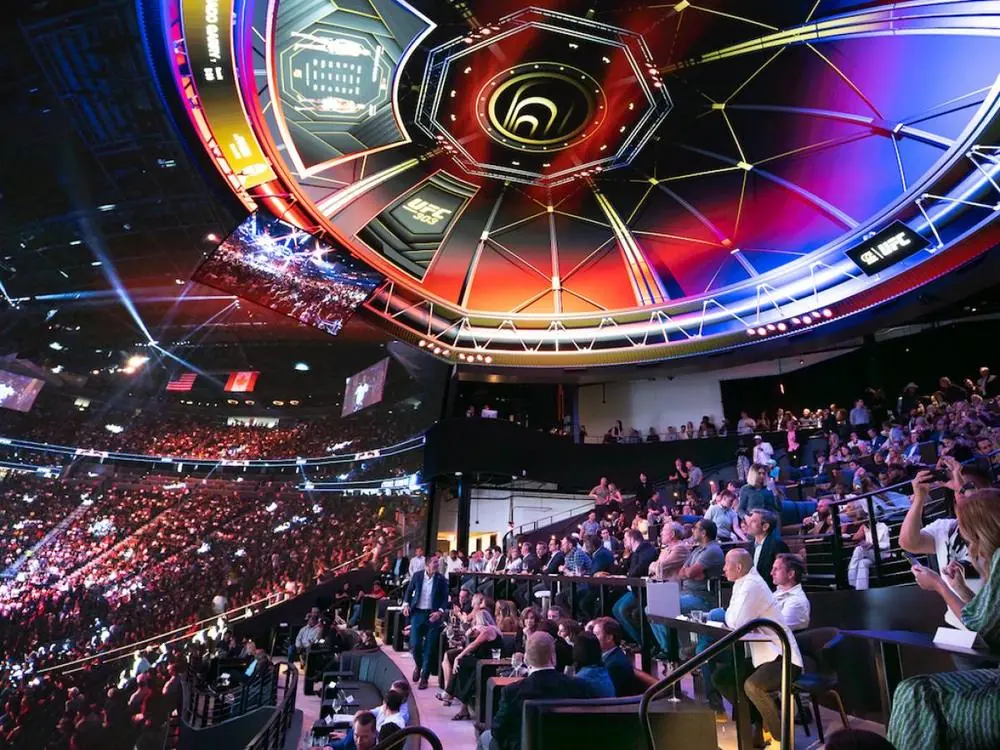
- Centennial Yards — the long-vacant 50-acre “Gulch” rail site reborn as a dense, mixed-use entertainment district, with new hospitality including Hotel Phoenix
- South Downtown — accelerated private development delivering new boutique lodging, housing and revamped retail
- A permanent Integrated Command Center linking real-time transit, emergency response and municipal operations
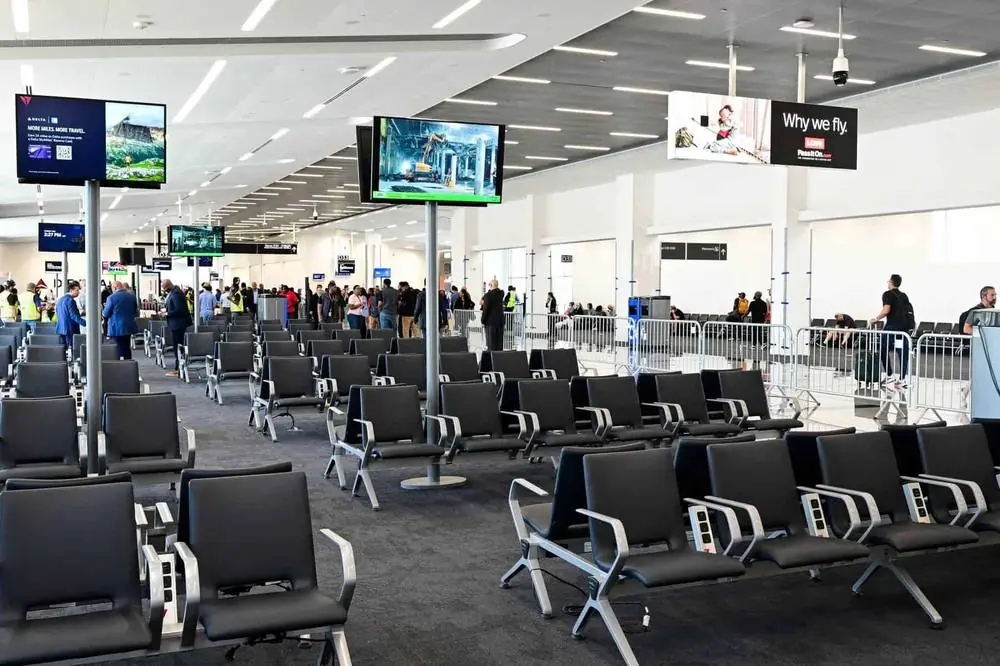
- MARTA — record ridership on a network proven to move millions across the region
- Hartsfield-Jackson — Concourse D widening and Plane Train upgrades for a growing global gateway
- Mercedes-Benz Stadium — advanced sustainability programs and optimized operations for world-class soccer
We Welcomed the World.
We Delivered. And Atlanta is
Ready for What’s Next.
Atlanta’s FIFA World Cup success was a group project. Thousands of City employees worked alongside the Atlanta World Cup Host Committee, FIFA, transportation agencies, public safety partners, healthcare systems, universities, community organizations, volunteers, businesses and local, regional, state and federal agencies. Those partnerships were essential to Atlanta’s success and are part of the legacy the tournament leaves behind.